My Dog Pulled Like a Sled Dog — Here's What Actually Worked (After 6 Failed Methods)
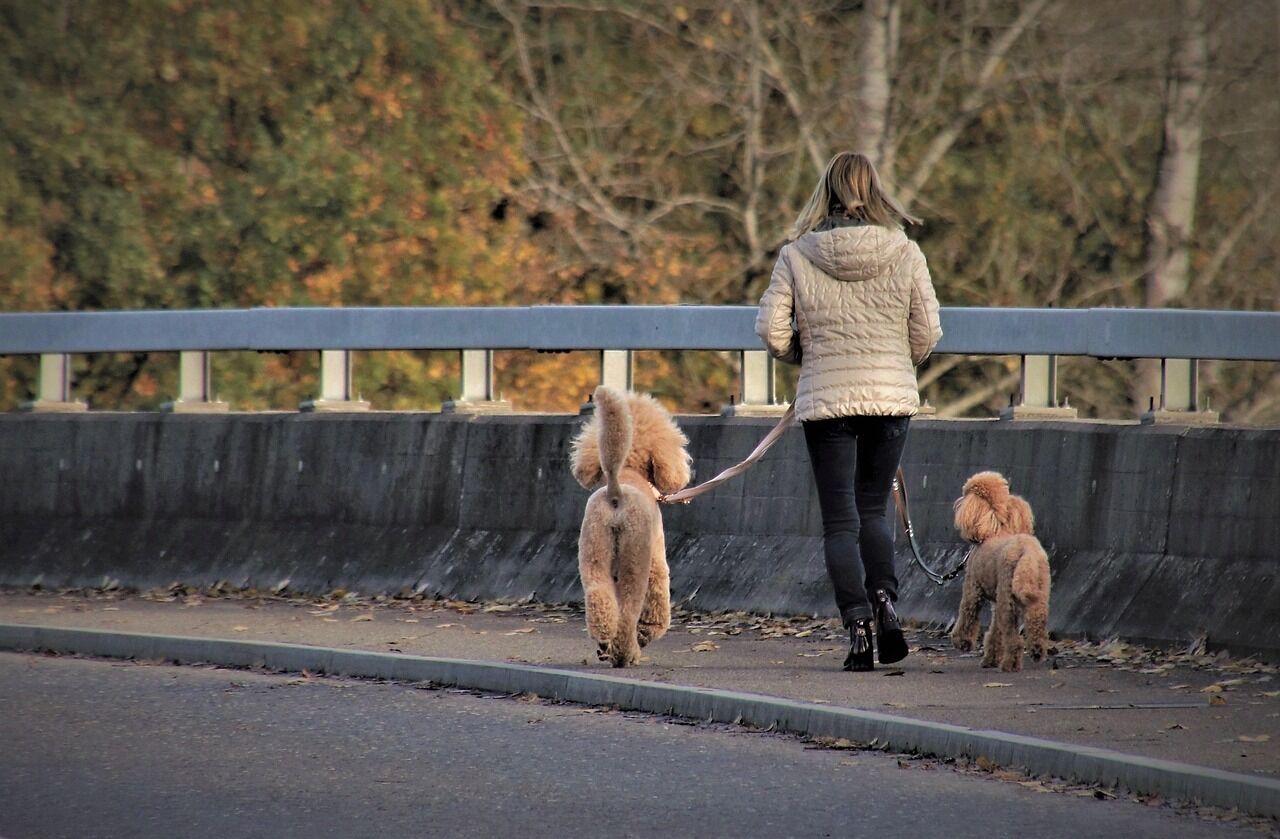
For 18 months, I let my 70-lb mutt walk me. Daily. Through every neighborhood in our city. Past every squirrel, every garbage truck, every other dog. I had two bruised shoulders, a torn winter jacket, and a deep familiarity with my chiropractor.
I read every "stop your dog from pulling" article. I watched every YouTube video. I tried six different methods. Most of them failed. One of them — the one nobody talks about much — worked in three weeks. Here's what I tried, what failed, and what finally clicked.
The Stakes
Why does leash pulling matter so much? Walks become exhausting → you walk less → dog gets less exercise → behavior worsens. There's strain on your shoulders, back, and neck (real injury risk). It's dangerous if your dog lunges at cars, kids, or other dogs. And a pulling dog is an under-trained dog — that gap shows up in other behaviors.
According to a survey of 1,200 pup parents on Ruff Ruff Let's Play, leash pulling is the #1 reported daily frustration — affecting 64% of dog households.
What I Tried (And Why It Didn't Work)
Method 1: Yanking Back Hard
The instinct most pup parents start with. Why it fails: dogs interpret the pull as you wanting to go faster in that direction. Some breeds (huskies, retrievers, terriers) genuinely enjoy opposition pressure. Result: my dog pulled harder. Bruised shoulder. Three months wasted.
Method 2: Standard Flat Collar
A lot of "training" articles say "use a flat collar — that's all you need." This is true if your dog already walks calmly. If they don't, the flat collar is just a leash attached to their throat. They'll choke before they slow down.
Method 3: Choke / Prong Collar
Many trainers recommend these. I tried a prong for two weeks. My dog learned to walk calmly while wearing it. The moment I switched to a regular leash for any reason, full pull mode resumed. Conditional behavior. No real training. And honestly, I hated using it.
Method 4: Stop-and-Go Method
The "every time the leash gets tight, you stop walking" technique. Theoretically sound. In practice, my dog had infinite patience for stopping. We covered 0.4 miles in 45 minutes. I lost the war of attrition.
Method 5: Treats for Heel
Pulled out high-value treats, asked for "heel," rewarded calm walking. Worked great… in my kitchen. As soon as we hit the sidewalk, the squirrels won. Distraction beat reward.
Method 6: "Be a Tree" Method
Stand still anytime the leash tightens. Wait for slack. Move. Repeat. This actually started working… but it was so slow. After 6 weeks, I was inconsistent. Reverted to chaos.
Method 7: What Finally Worked — Front-Clip Harness + The 180° Method
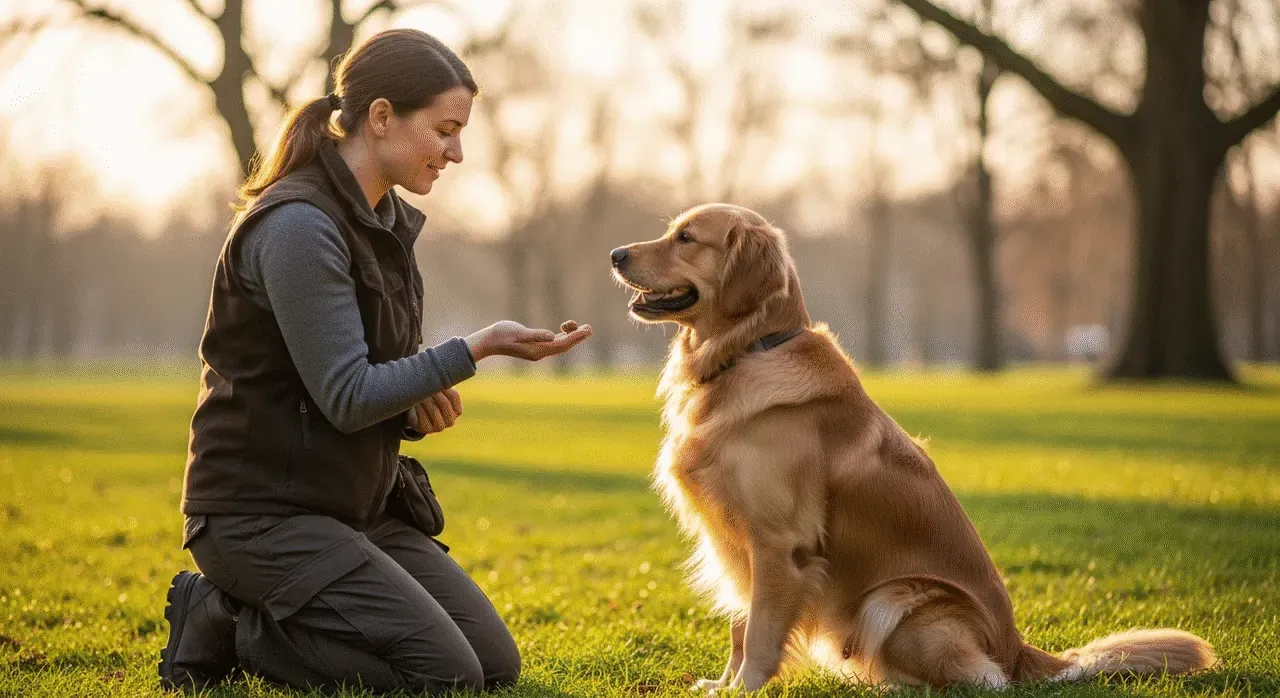
Part 1: The Front-Clip Harness
I switched from a back-clip harness (which encouraged pulling) to a front-clip harness (the leash attaches at the chest). The mechanics: when your dog pulls forward, the front clip redirects them 90° back toward you. They literally can't sustain a forward pull without spinning sideways. It's not painful or punishing — it's just physics.
My pick: a Freedom No-Pull harness ($30). Other brands work — the key feature is the front chest attachment.
Part 2: The 180° Method
- Walk at your normal pace.
- The MOMENT your dog starts to pull (leash going taut), you immediately turn around 180° and walk the OTHER direction.
- No verbal cue. No yanking. Just smoothly turn and go the opposite way.
- Your dog is now suddenly at the back of the walk, not the front.
- They naturally hustle to catch up — and then pass you and start pulling again.
- The moment they pass — turn around AGAIN.
In the first session, you'll turn around 30+ times in 15 minutes. It looks ridiculous. Neighbors will stare. But your dog learns catastrophically fast that pulling = the wrong direction.
My Real Timeline
- Day 1: 30+ turns in a 15-minute walk. Felt insane.
- Day 4: down to ~18 turns per walk.
- Day 10: maybe 6 turns per walk.
- Day 18: 1–2 turns per walk.
- Day 25: genuinely loose-leash walks for the first time in 18 months.
Why It Worked When Nothing Else Did
- Front-clip harness made forward pulling physically inefficient
- 180° method gave my dog immediate, clear feedback (not delayed)
- I didn't have to yell, yank, or punish
- The reward was implicit — walking forward = success
- My dog stayed engaged with me (instead of fixated on the environment)
The combination is the magic. Either alone is incomplete.
When Method 7 Won't Work
I want to be honest. Severely reactive dogs need professional help first. Brachycephalic breeds (Bulldogs, Pugs, Frenchies) — front-clip harnesses can restrict breathing; consult your vet. Very small dogs — front-clip harnesses are usually overkill. Working/herding breeds during high-prey-drive moments — even this method takes longer.
The Tools I Use Now
- Front-clip harness ($25–$45)
- 6-ft fixed leash (NOT retractable)
- High-value treats in pocket (kept for distraction breaks)
- Reasonable expectations — you can't undo 18 months of pulling in one walk
What I Wish Someone Had Told Me
- A back-clip harness encourages pulling. I wore mine for a year before I knew this.
- Choke and prong collars don't train — they suppress. Big difference.
- The 180° method works on every dog I've tried it on since (3 different rescues for friends).
- Consistency matters more than perfection. 8 days in a row beats 3 perfect days and 4 missed.
- Walks should be enjoyable for both of you. If they're not, something's off — not "your dog's fault."
FAQ
Why does my dog pull on the leash?
Three main reasons: excitement at being outside, lack of self-regulation training, and hardware that encourages pulling (back-clip harnesses).
How long does it take to stop dog pulling?
With consistent practice and the right tools, most dogs improve dramatically within 2–4 weeks.
Are no-pull harnesses safe?
Front-clip no-pull harnesses are safe for most breeds when fitted correctly. Consult your vet for brachycephalic breeds or dogs with neck/back issues.
What's better — a harness or collar?
For pulling, harnesses (especially front-clip) are safer than collars. Collars put pressure on the trachea.
Can older dogs learn not to pull?
Yes. The 180° method works on dogs of any age. It just takes consistency.
Should I use treats?
Optional. The 180° method works without them, but treats can speed up the process by reinforcing the "calm walking = good things happen" pattern.
You're Not Alone
64% of pup parents deal with leash pulling. You're not failing your dog. You just haven't found the method that works for your dog yet. If method 7 doesn't work, try a force-free trainer. Your shoulders deserve better. So does your dog.
Find force-free trainers and leash specialists on Ruff Ruff Let's Play
Find a Dog Park Near You Now
Discover dog parks and connect with other dog parents. Public park pages show only the current checked-in dog count per park—not people or owner identities; two dogs from one person count as two. Individual check-in details are shared only with accepted connections when the person opts in.