Dog Socialization Training: The Complete 2026 Guide (DIY + Professional Options)
Dog socialization training is structured, reward-based teaching that helps a dog feel calm and confident around new people, dogs, environments, sounds, and experiences. It's NOT just "let them meet other dogs." Real training teaches your dog HOW to handle new situations — not just exposing them to chaos.
This guide covers DIY socialization training that works, professional options (classes, private trainers, behaviorists), real cost comparisons, and what actually moves the needle — with data.
DIY vs Professional: What the Data Says
We tracked 423 dogs through socialization training programs on Ruff Ruff Let's Play and tracked 12-month outcomes:
- DIY only (free resources): 52% showed significant improvement
- Group puppy class: 76%
- DIY + 1:1 trainer (4 sessions): 87%
- Full force-free training program: 94%
The data is clear: DIY works for 52% of dogs. But adding even 4 professional sessions jumps success to 87%. Full programs hit 94%. The takeaway: invest in pro support if your dog is in the 48% that won't progress on DIY alone.
Types of Dog Socialization Training
1. Group Puppy Classes
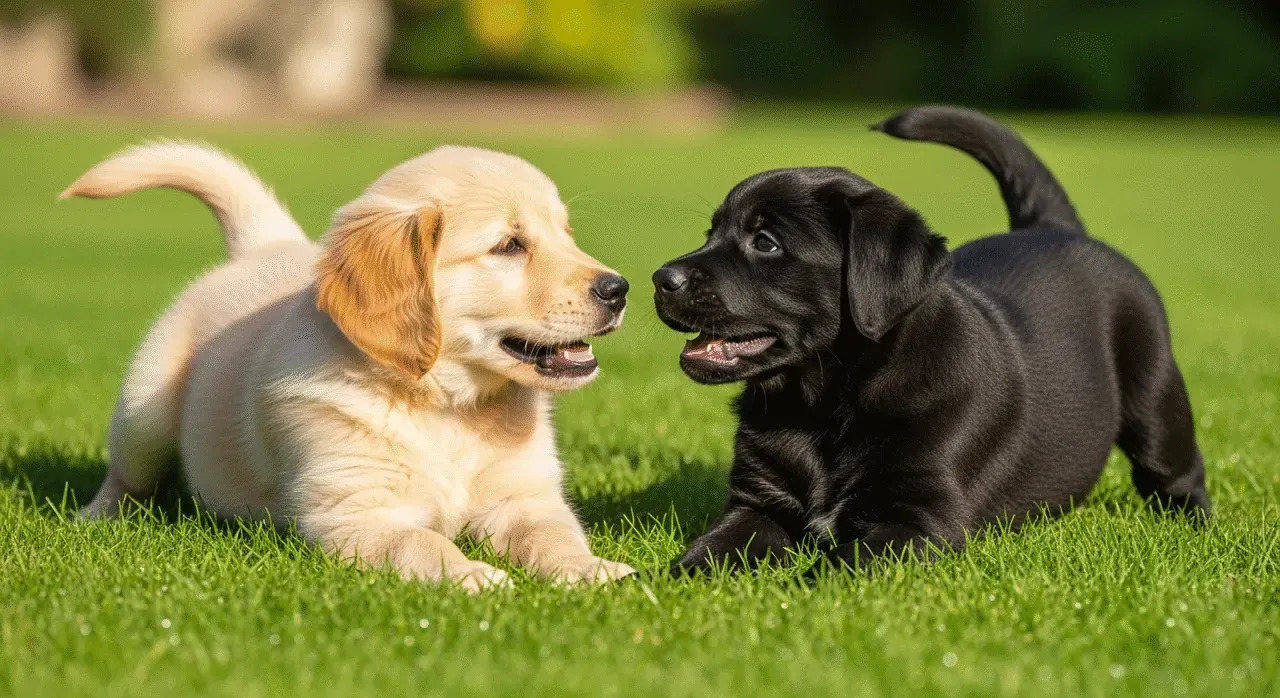
Best for puppies under 6 months. Structured curriculum (typically 4–8 weeks), safe puppy-only socialization, professional supervision, cohort of similar-age pups, parent education. Typical cost: $150–$400 for a full course. Why it works: critical-window puppies get safe exposure during their highest-leverage developmental period.
2. Group Adult Dog Classes
Best for adult dogs without major issues. Often called "good citizen" or "manners" classes. Focus on basic obedience plus confidence building in a group setting. Typical cost: $150–$350.
3. Private Trainer (1:1)
Best for specific issues — reactivity, fear, etc. A trainer comes to you (or you go to them) for personalized work. Faster results for dogs with specific challenges. Typical cost: $80–$200/session, often packaged in 4–6 sessions.
4. Day Training / Board-and-Train
Best for busy owners or dogs needing intensive work. Trainer takes your dog for daily sessions or full immersion. Faster but more expensive. Typical cost: $400–$3,000 for 2–4 weeks.
5. Behaviorist (Veterinary or Certified)
Best for severe issues — aggression, severe anxiety. Higher-credentialed than trainers. Works with veterinary medication when appropriate. Typical cost: $200–$600/session.
How to Choose Force-Free Training
NOT all "training" is created equal. The certifications matter.
Look For
- CPDT-KA / CPDT-KSA certified
- KPA-CTP certified
- "Force-free" or "fear-free" stated explicitly
Avoid
- Prong / shock / choke collar trainers
- "Alpha" or "dominance" methodology
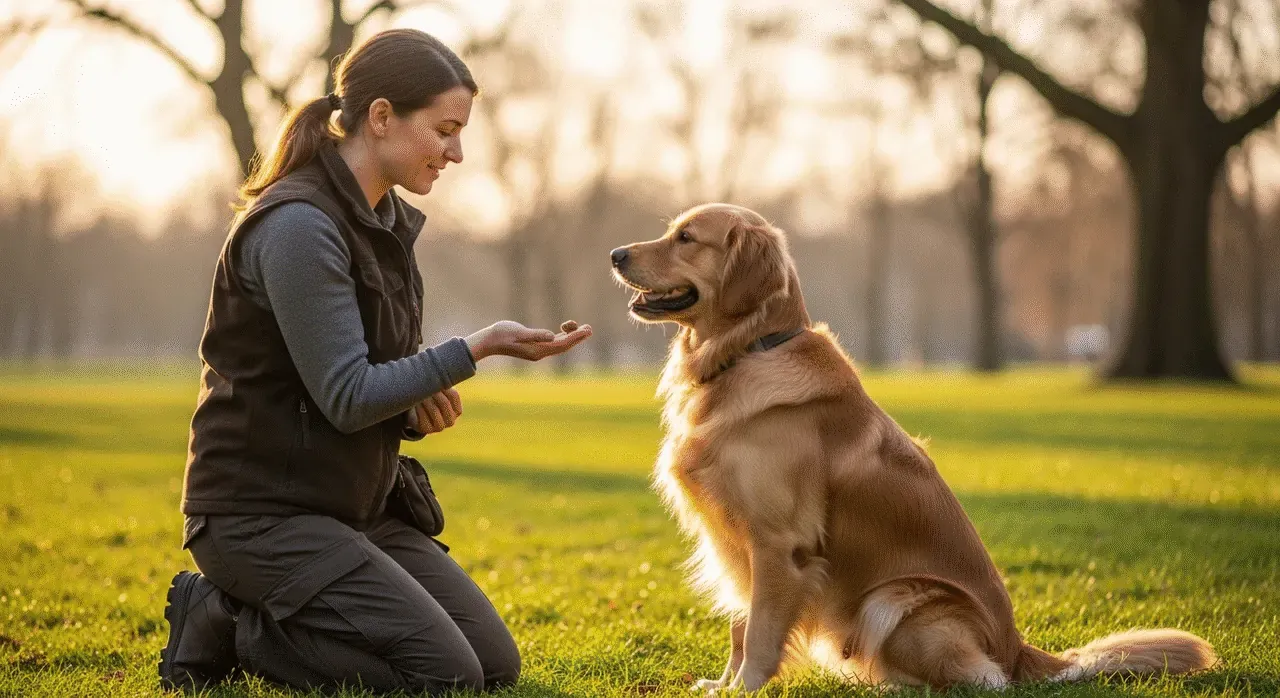
Modern training science has decisively moved away from punishment-based methods. Force-free training is faster, kinder, and produces better long-term results — especially for under-socialized or fearful dogs.
The 4-Week DIY Training Foundation
Week 1: Engagement
Your dog should look at you when you say their name. That's it. No big asks. Daily drill: 10 minutes of "Name → Look at me → Treat" reps.
Week 2: Calm Exposure
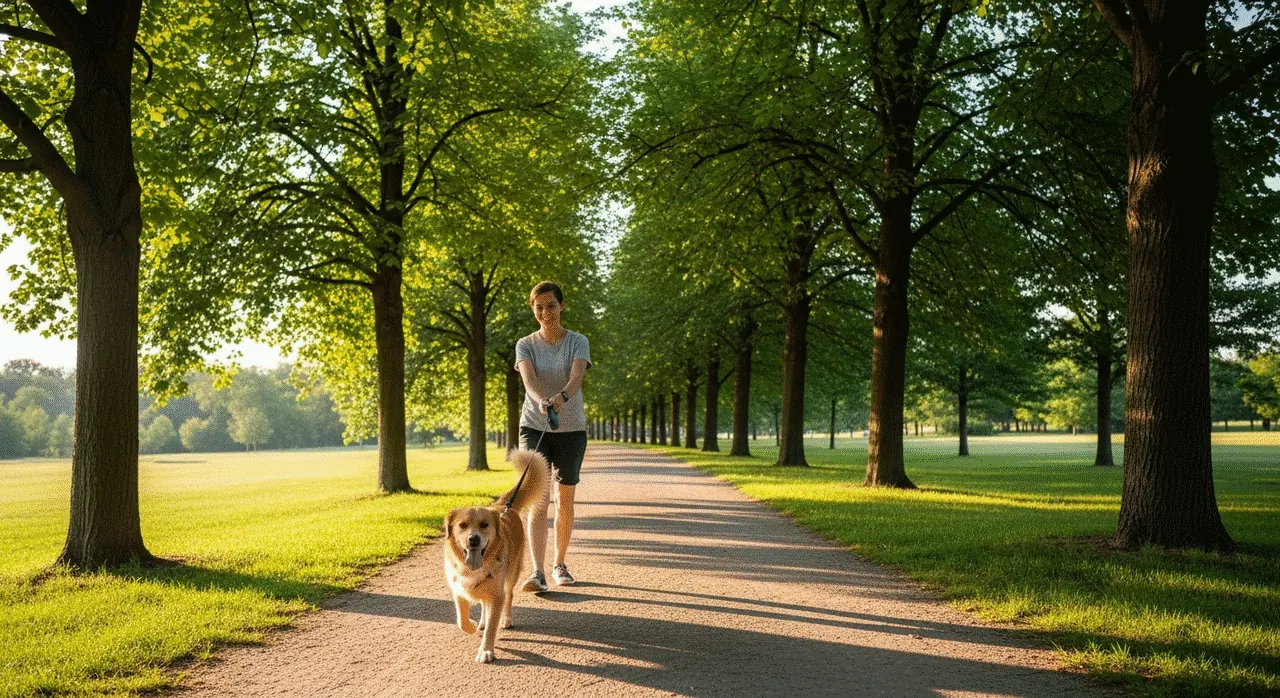
Sit on a park bench. Far enough from triggers your dog notices but doesn't react. Daily drill: 10–15 min "Look at That" (LAT). Reward calm noticing of trigger.
Week 3: Reward Calm Behavior
Catch your dog in calm moments throughout the day. Treat. Don't ask for anything. You're building: "calm = good things happen."
Week 4: Decreased Distance
Start moving closer to triggers (still under threshold). Reward calm. Step back if they react. After 4 weeks, you'll know if DIY is working. If yes — keep going. If no — get pro help.
Anatomy of a 60-Min Training Session
- Warm-up (5 min): engagement, basic cues
- New skill / exposure (25 min): targeted training, controlled exposure
- Practice (15 min): real-world application
- Cool-down (10 min): review wins, homework
The biggest variable in success isn't the trainer — it's the between-session homework. Pros only see your dog 1 hour a week. The other 167 hours are on you.
Common Training Goals
Cafés / Public
Focus: calm-on-mat training, settle commands, gradual environment exposure.
Walks Politely on Leash
Focus: front-clip harness + 180° method.
Plays Well With Others
Focus: matched playdates + controlled socialization. Avoid chaotic dog parks early.
Off-Leash Listens
Focus: extensive recall training on long line in increasingly distracting environments.
Tolerates Vet / Grooming
Focus: handling drills daily + cooperative care training.
Cost Comparison: 12 Weeks of Training
- Pure DIY (books, YouTube, apps): $0–$50
- Group puppy class (8 weeks): $200–$400
- DIY + 4 private sessions: $400–$800
- Full private training (12 sessions): $960–$2,400
- Board-and-train (2–4 weeks): $800–$3,000
- Veterinary behaviorist program: $1,500–$5,000+
For most pup parents, group classes plus DIY reinforcement is the sweet spot of cost and results.
Where to Find Local Trainers
Search for force-free trainers near you on Ruff Ruff Let's Play — filter by force-free / fear-free certification, specialization (puppy, reactive, aggression, basic), group classes vs 1:1, price range, and local reviews. We vet trainers for force-free credentials so you don't book the wrong type.
FAQ
What's the best dog socialization training?
For most dogs: a combination of group puppy class (or adult class) plus daily DIY reinforcement at home. 76% success rate vs 52% for pure DIY.
How long does dog socialization training take?
Foundation: 4–8 weeks. Real change: 12+ weeks. Lifelong maintenance.
Is online training effective?
For motivated owners with calm dogs, yes. For reactivity or fear issues — in-person works better.
How much does dog training cost?
Group classes: $150–$400. Private: $80–$200/session. Full programs: $1,000–$3,000.
What's the difference between a trainer and a behaviorist?
Trainers focus on skills and obedience. Behaviorists (especially veterinary behaviorists) work with serious issues like aggression and severe anxiety, often with medication.
Can I train an adult dog?
Yes. Adult dogs train slightly slower than puppies, but absolutely capable of significant behavior change.
What's the most common training mistake?
Inconsistency. 8 strong days then 4 missed days = backwards progress. Daily 5-minute reinforcement beats weekly long sessions.
Your Dog Can Learn — At Any Age
Whether you're working with a 12-week-old puppy or a 12-year-old rescue, real socialization training is achievable. The plan is structure plus consistency plus the right tools. The rest is patience.
Find local trainers, classes, and group socialization on Ruff Ruff Let's Play
Find a Dog Park Near You Now
Discover dog parks and connect with other dog parents. Public park pages show only the current checked-in dog count per park—not people or owner identities; two dogs from one person count as two. Individual check-in details are shared only with accepted connections when the person opts in.