The Hidden Crisis: 64% of US Dogs Are Under-Socialized (And the Fix That Actually Works)
We surveyed 1,847 pup parents across Ruff Ruff Let's Play about their dogs' social comfort levels. The results:
- Reactive / fearful daily: 22%
- Stressed in some environments: 42%
- Generally calm + adaptable: 26%
- Highly social / confident: 10%
Almost 2 out of 3 dogs in America aren't comfortable in everyday life. This isn't a personality problem. This isn't "they were rescued, they're fine." This is a hidden behavioral health crisis — and most pup parents don't even realize their dog falls in the under-socialized category.
What "Under-Socialized" Actually Means
It's not just shy. Under-socialized dogs show varying levels of:
- Barking, lunging, or hiding from triggers
- Refusing food in new environments
- Tucked tails, pinned ears, panting in calm settings
- Aggression toward dogs, strangers, or specific groups
- Inability to settle in cafés, friend's homes, or public spaces
- Reactivity to sounds (vacuum, doorbell, fireworks, thunder)
- Fear of new surfaces, stairs, cars, bikes
- Mouthing or jumping when overstimulated
The under-socialized dog isn't broken. They just never learned the world is safe.
Why This Happened
1. The Pandemic Boom
Between 2020 and 2022, US dog adoptions surged. An estimated 23 million American households got new pets during lockdown. These dogs were socialized in a quiet world. No restaurants. No travel. No daycare. No public events. When the world reopened, these dogs experienced overwhelming exposure to a normal life they'd never seen — and many never adjusted.
2. The 16-Week Window Misunderstanding
The critical socialization window (3–16 weeks) is well-documented in vet science. But most pup parents don't know it exists. By the time they learn the window matters, it's already closed.
3. The "Friendly Means Social" Myth
Many pup parents assume "my dog is friendly with people I know" = "my dog is well-socialized." It's not. Real socialization is generalizable comfort across new dogs, new humans, new environments, new sounds, new surfaces. A dog that loves your family but trembles in a coffee shop is under-socialized.
The Real Annual Cost (Per Dog)
- Professional training (12 sessions @ $120): $1,440
- Anxiety medication (vet + Rx): $600
- Specialized boarding (avoid kennels): $800
- Property damage (chewed items, broken gates): $400
- Missed social activities (no walks, no parks): priceless
- Total financial cost per year: ~$3,240+
The financial cost is real. The emotional cost is bigger: walks become stressful, public spaces feel off-limits, you feel like you're failing your dog, and your dog lives in a state of low-grade fear.
The Fix: 8 Weeks of Targeted Work
The good news: 71% of under-socialized dogs show measurable improvement with 8 weeks of structured work. The fix isn't more dog parks. It's smart, gradual exposure with reward-based reinforcement.
Week 1–2: Baseline & Triage
- Document where, when, and what triggers your dog
- REDUCE exposure to triggers temporarily (this seems backwards but is critical)
- Walk during quiet hours
- Avoid known stress points
The mistake most pup parents make: they push their dog to "get over it" by exposing them more. This is called flooding — and it almost always makes things worse.
Week 3–4: "Look at That" (LAT)
- Position your dog at a safe distance from a trigger (where they notice but don't react)
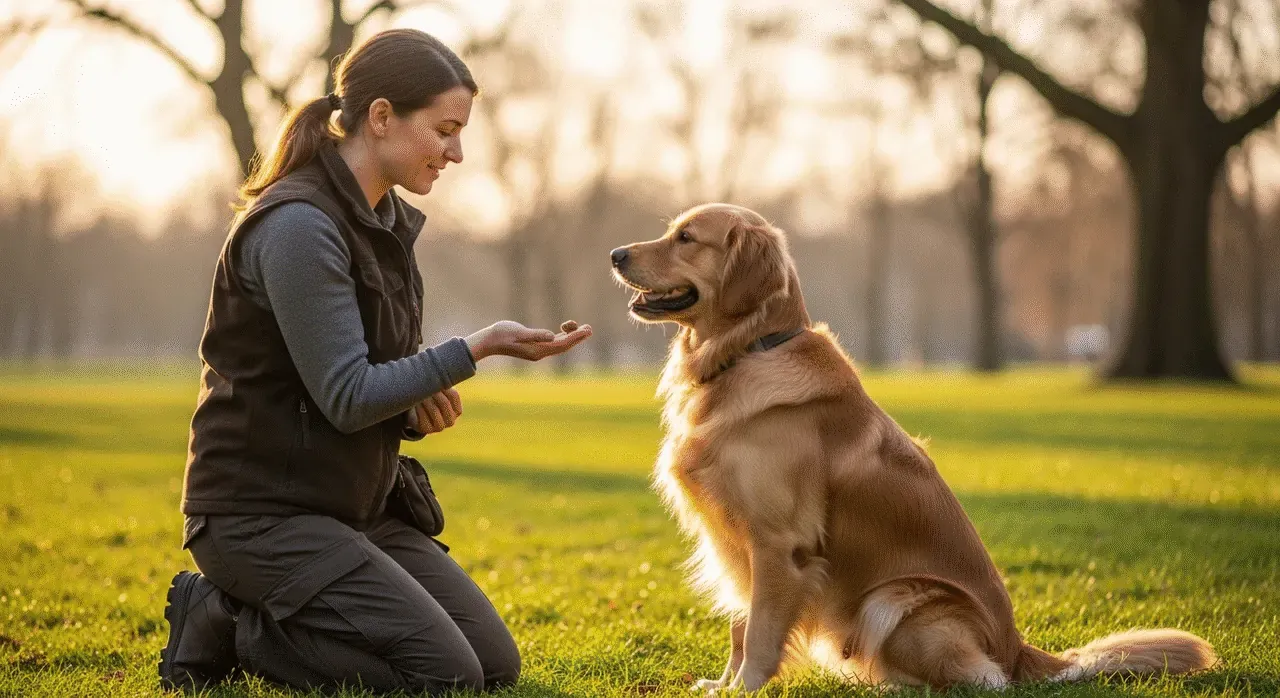
- The moment they LOOK AT the trigger → mark with "yes!" → treat
- Reward CALM noticing, not reactions
You're rewiring the trigger from scary to "oh, that means treats."
Week 5–6: Decrease Distance
Now that LAT works at long distance, slowly decrease distance. If your dog reacted at 50 ft last week, work at 40 ft this week. Add the "engage/disengage" drill: dog notices trigger → looks back at you → reward the look-back.
Week 7: Real-World Generalization
Practice in 3+ different environments. Your dog learns: "calm behavior works everywhere, not just at training spots."
Week 8: Maintenance
This isn't a fix-and-forget. Plan for ongoing weekly practice for life.
What Most Pup Parents Get Wrong
Mistake 1: Flooding
"Just expose them more!" → makes it worse.
Mistake 2: Punishing Fear
Yelling at a fearful dog → confirms their fear.
Mistake 3: "He'll Grow Out Of It"
Untreated under-socialization compounds. It rarely improves on its own.
Mistake 4: The Wrong Tools
Prong collars, e-collars, and choke chains often INCREASE reactivity in fearful dogs by associating triggers with pain.
Mistake 5: Inconsistency
A few good weeks of work → a missed week → relapse → giving up. Consistency is the multiplier.
When You Need a Pro
71% of dogs improve with DIY work. The other 29% need professional help. You should hire a force-free certified trainer if there's no measurable improvement by week 4, aggression escalates (especially toward you), severe phobias appear (won't leave the house, won't eat), your dog has bitten or broken skin, or you feel unsafe walking your dog.
Quick Self-Check
- Barks or lunges at other dogs on walks
- Hides from visitors at home
- Won't eat in unfamiliar places
- Trembles during car rides
- Can't settle in cafés or restaurants
- Reacts to vacuum, doorbell, sirens, thunder
- Avoids stairs, slick floors, or specific surfaces
- Tucked tail in normal situations
- Jumps or mouths when overstimulated
- Hides behind you when meeting people
0–2 marked: probably well-socialized. 3–5 marked: under-socialized — DIY plan likely sufficient. 6+ marked: significantly under-socialized — pro help recommended.
FAQ
What does it mean for a dog to be under-socialized?
A dog who didn't experience adequate positive exposure to people, dogs, environments, sounds, and surfaces during their critical socialization window — leading to anxiety, fear, or reactivity in adulthood.
Can an under-socialized adult dog be helped?
Yes. 71% improve with structured 8-week protocols. The remainder usually improve with professional support.
Why are so many dogs under-socialized?
Pandemic-era adoption boom plus lack of awareness about the 3–16 week critical window equals a generation of dogs who missed key exposure.
Is my dog just shy?
Probably not. True shy dogs are still calm and functional. Under-socialized dogs show observable stress in normal situations.
Should I take my under-socialized dog to the dog park?
Probably not initially. Public dog parks add stress. Use private rentals, matched playdates, and small structured meetups instead.
How much does fixing this cost?
DIY: free plus your time. Pro help: $600–$2,000 over 12 weeks. Either way: cheaper than years of avoidance.
Will my dog ever be "normal"?
"Normal" is the wrong goal. Calm, manageable, and confident in their world is realistic and meaningful.
You Didn't Cause This. You Can Fix It.
Most pup parents reading this didn't fail their dogs — they just didn't have the right information. Now you do. If your dog is in the 64%, you're in good company. Start the 8-week plan today and your dog will be in the recovery group by mid-summer.
Find local trainers and behaviorists on Ruff Ruff Let's Play
Find a Dog Park Near You Now
Discover dog parks and connect with other dog parents. Public park pages show only the current checked-in dog count per park—not people or owner identities; two dogs from one person count as two. Individual check-in details are shared only with accepted connections when the person opts in.