10 Signs Your Dog Needs More Socialization (And What to Do About It)

Not every dog walks into a busy park wagging their tail. Some hide behind your legs. Some bark at every passerby. Some freeze. Some lunge. Many pup parents assume "that's just who they are." Here's the truth: a lot of those behaviors aren't personality — they're under-socialization. The very good news is that socialization isn't a one-time puppy class. It's an ongoing skill you can build at any age.
1. Barking or Lunging at Other Dogs on Walks
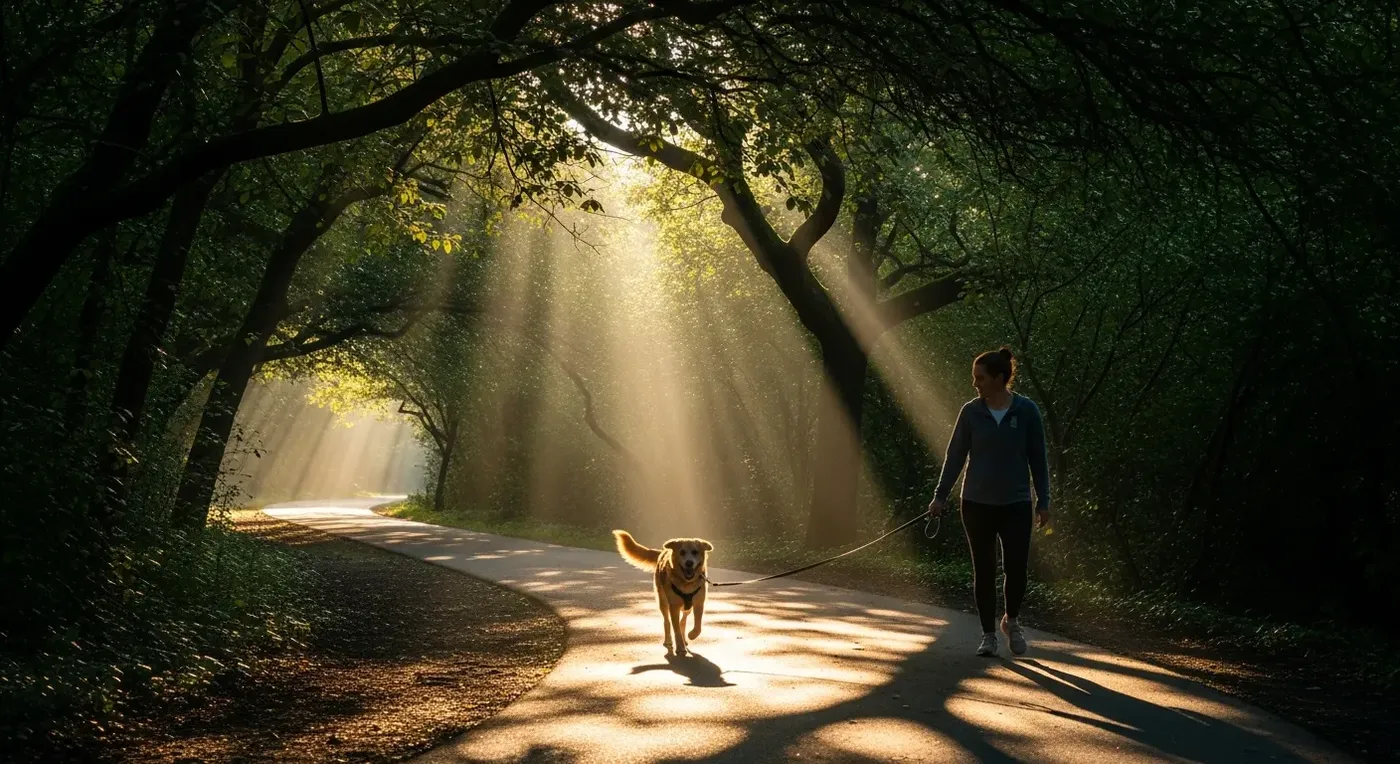
Often mistaken for "aggression," reactive behavior on leash is usually rooted in fear, frustration, or lack of exposure. The leash adds tension, the dog can't flee, and the barking is the overflow.
2. Freezing or Hiding in New Environments
A new park, café, or friend's house — and your dog locks up, tries to retreat, or hides between your feet. Their nervous system is saying, "this is too much, too fast."
3. Shaking at the Vet, Groomer, or in the Car
Persistent, full-body shaking across many environments signals a broader issue: your dog doesn't have enough reps of "new = safe."
Some dogs are classically conditioned to dread these places — but persistent, full-body shaking across many environments signals a broader issue: your dog doesn't have enough reps of "new = safe."
4. Barking at Everyday Sounds
Reasonable alertness is fine. Full-meltdown reactivity to ordinary sounds means your dog hasn't had enough positive, gradual exposure to the normal world.
5. Jumping Up or Overly Mouthing Visitors
Often mislabeled "he's just friendly" — but often it's over-arousal from under-exposure. A well-socialized dog greets politely because they've had lots of practice.
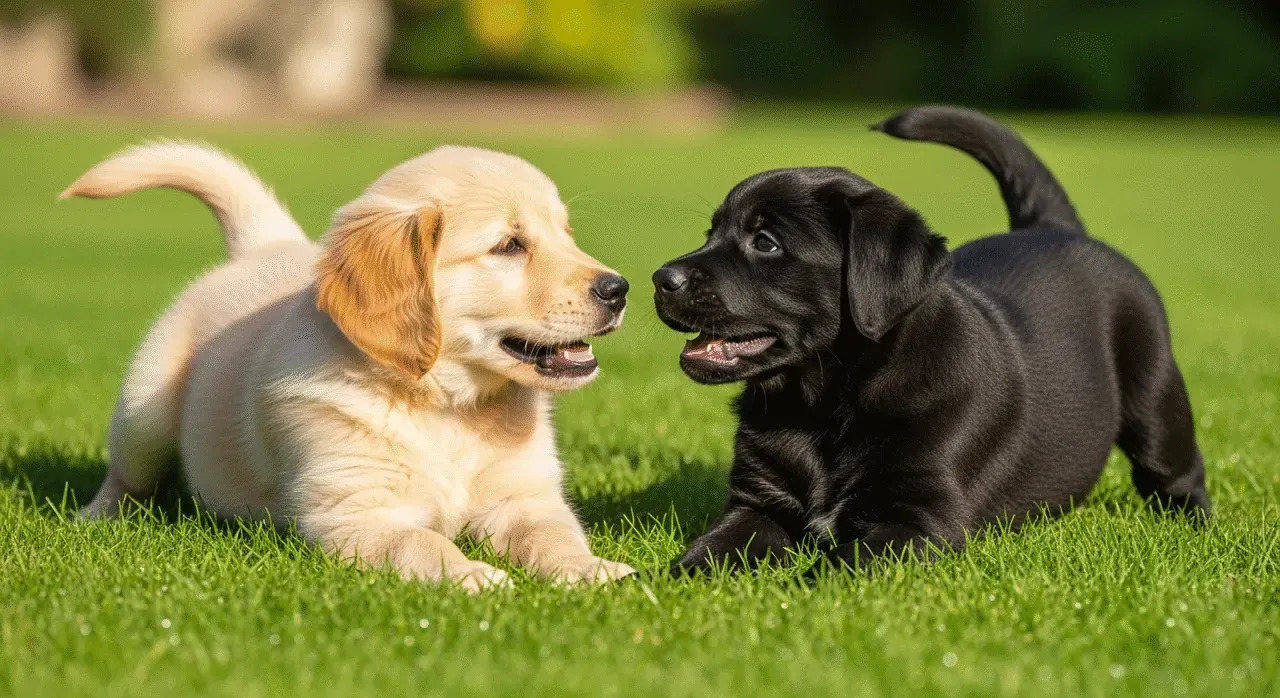
6. Avoiding Eye Contact, Tucking Tail, Lip-Licking in Normal Situations
These calming signals in neutral, non-threatening environments mean your dog is telling you the world feels scarier than it should.
7. Snapping or Growling When Approached
Growling isn't "bad behavior." It's communication — a warning that your dog feels cornered or unsafe. Suppressing it doesn't fix the underlying issue; socialization (done right) does.
8. Can't Settle in Public Places
If your dog pants, paces, and fixates even in calm public environments, their stress level is elevated. A well-socialized dog can lie down at a patio restaurant or relax on a blanket at the park.
9. Afraid of Surfaces, Stairs, or Sudden Changes
Slippery floors, metal grates, unfamiliar stairs, car rides — visible fear here means your dog missed critical "new surface" exposure early on.
Slippery floors, metal grates, unfamiliar stairs, car rides — if these cause visible fear, your dog missed critical "new surface" exposure early on.
10. Not Sure How to Play with Other Dogs
Either too rough, too shy, or unaware of play cues. Dogs learn to play from other dogs. Without those early reps, the language doesn't translate.
What to Do About It
- Start small and positive. New experiences should be gradual and paired with treats, praise, or play. Stay below threshold.
- Avoid flooding. Throwing an anxious dog into a crowded dog park almost always backfires.
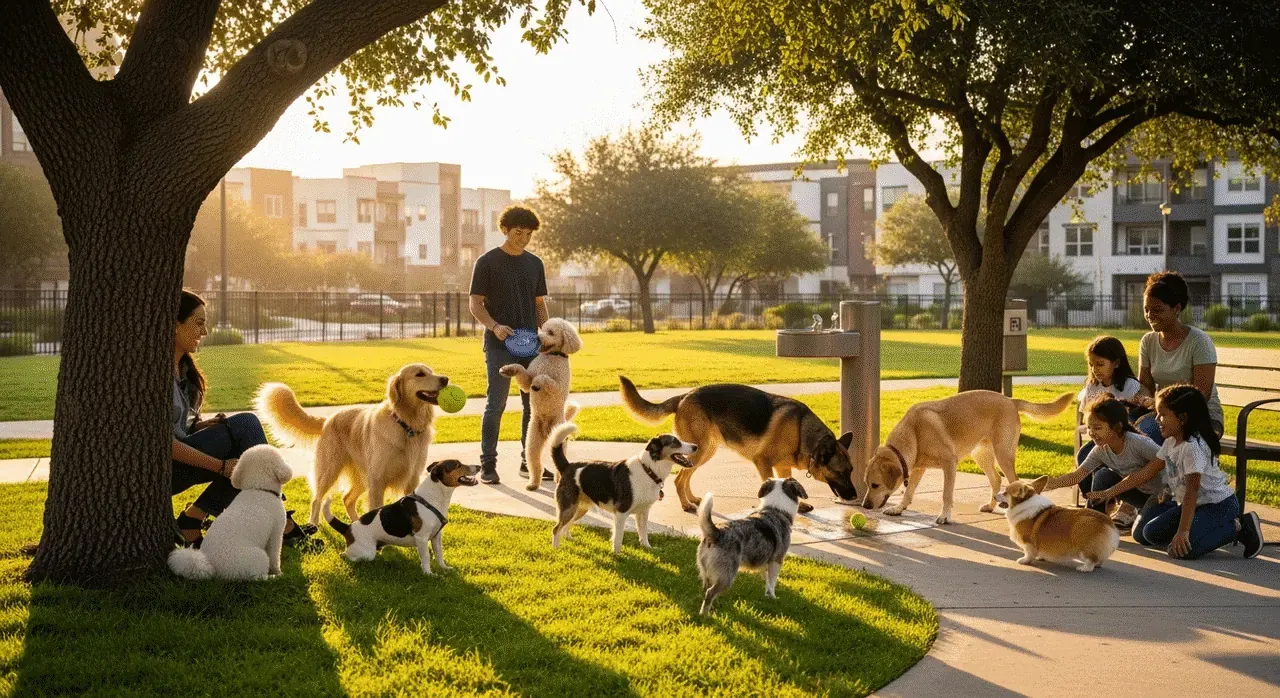
- Find the right dog parks near you. Smaller, quieter parks. Off-peak hours. Size-separated areas. Open sightlines.
- Build puppy pals — one at a time. One calm friend is worth a hundred chaotic park visits.
- Work with a pro when needed. Reactive or fearful dogs benefit from a certified trainer's eyes on the situation.
- Be patient with the timeline. Progress isn't linear. Celebrate small wins.
Your dog isn't "bad." They just need more practice. Under-socialization is a gap, not a flaw — and gaps can be filled.
Start at ruffruffletsplay.com — find the right park, the right pals, and the right pros for your dog.
Here's the empowering part: almost every under-socialized dog can improve. It takes patience, structure, and the right environments — not more exposure for exposure's sake.
Step 1: Start Small and Positive
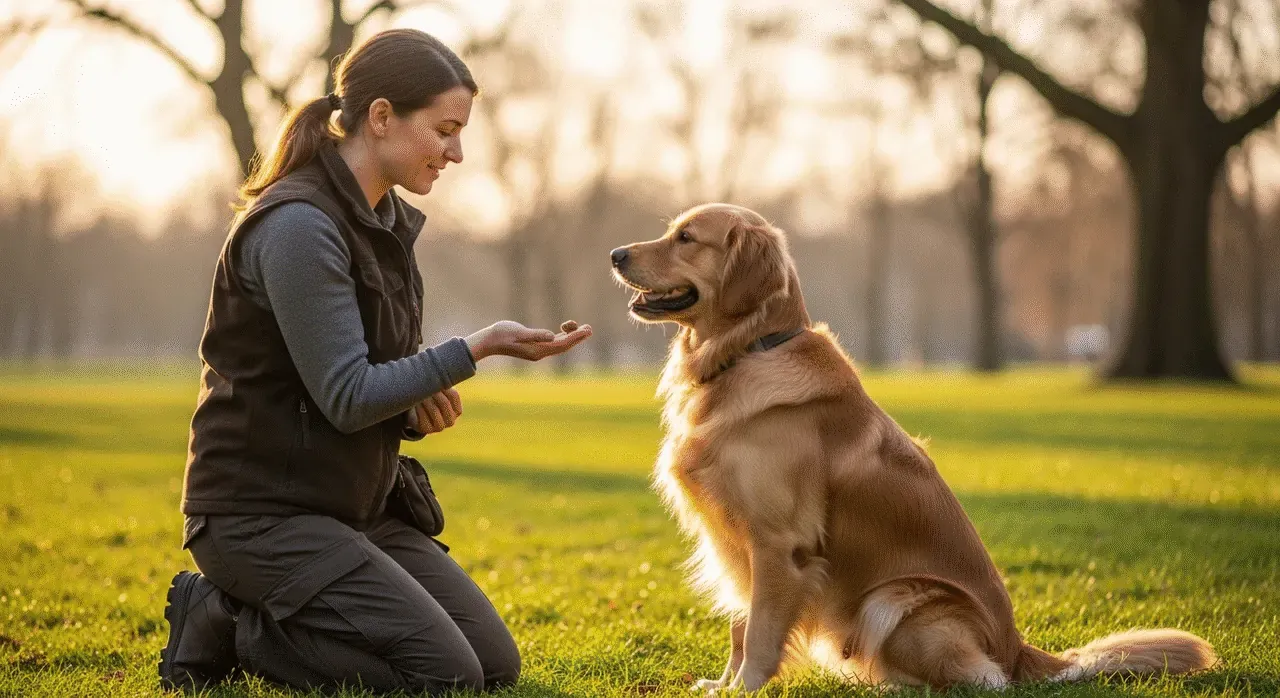
New experiences should be gradual and paired with things your dog loves — treats, praise, play. The goal is below threshold exposure, where your dog notices the new thing but doesn't panic.
Step 2: Avoid Flooding
Throwing an anxious dog into a crowded dog park to "get them used to it" almost always backfires. This is called flooding, and it typically makes fear worse. Think trickle, not firehose.
Step 3: Find the Right Dog Parks Near You
For a dog who needs more socialization, your park choice matters more than ever. Look for:
- Smaller, quieter parks
- Off-peak hours
- Size-separated areas (especially for smaller or shy dogs)
- Places with open sightlines so your dog can see other dogs approaching from a distance
Ruff Ruff Let's Play helps you find dog parks near you that match your pup's current comfort level — not just the biggest, busiest option.
Step 4: Build Puppy Pals — One at a Time
One calm, well-adjusted dog friend is worth a hundred chaotic park visits. Use ruffruffletsplay.com to connect with nearby pup parents and set up small, structured playdates.
Step 5: Work with a Pro When Needed
Some dogs — especially reactive or fearful ones — need a certified trainer's eyes on the situation. That's exactly why our pros exist. If you've searched "dog trainers near me" and felt overwhelmed by the options, we can help.
Step 6: Be Patient With the Timeline
Socialization progress isn't linear. You'll have great weeks and tough weeks. That's normal. Celebrate small wins. Your dog will too.
Not every dog walks into a busy park wagging their tail. Some hide behind your legs. Some bark at every passerby. Some freeze. Some lunge. And many pup parents assume, "that's just who they are."
Here's the truth: a lot of those behaviors aren't personality — they're under-socialization. And the very good news is that socialization isn't a one-time puppy class. It's an ongoing skill you can build at any age.
At Ruff Ruff Let's Play, we meet dogs at every stage. Here are the 10 signs your dog could use more socialization — and what to do next.
4. Barking at Everyday Sounds (Doorbells, Skateboards, Sirens)
Reasonable alertness is fine. Full-meltdown reactivity to ordinary sounds means your dog hasn't had enough positive, gradual exposure to the normal world.
6. Avoiding Eye Contact, Tucking Tail, or Licking Lips in Normal Situations
These are calming signals — your dog's way of saying "I'm uncomfortable." When they show up in neutral, non-threatening environments, your dog is telling you the world feels scarier than it should.
7. Snapping or Growling When Approached by People or Dogs
Growling isn't "bad behavior." It's communication — usually a warning that your dog feels cornered or unsafe. Suppressing it doesn't fix the underlying issue; socialization (done right) does.
Your Dog Isn't "Bad." They Just Need More Practice.
Under-socialization isn't a flaw — it's a gap. And gaps can be filled. With the right plan, the right environments, and the right community, even the shyest, spookiest, barkiest pup can grow into a confident, happy companion.
At Ruff Ruff Let's Play, we help pup parents do exactly that — one park, one playdate, one puppy pal at a time.
Start at ruffruffletsplay.com — find the right park, the right pals, and the right pros for your dog.
Find a Dog Park Near You Now
Discover dog parks and connect with other dog parents. Public park pages show only the current checked-in dog count per park—not people or owner identities; two dogs from one person count as two. Individual check-in details are shared only with accepted connections when the person opts in.