Border Collie Play Decoded: Why They're the Most Misunderstood Dog at the Park
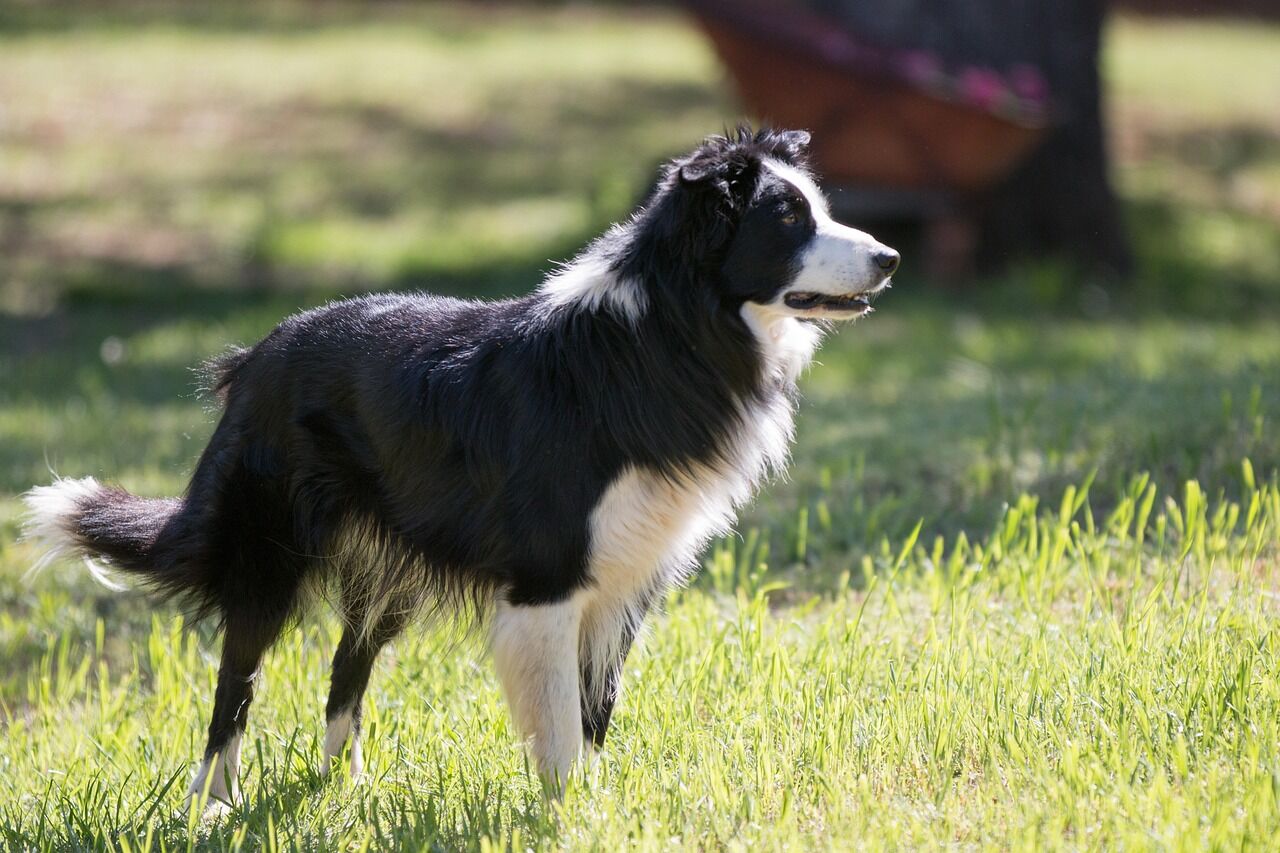
Why Is Your Dog Stalking Mine?
If you have a Border Collie, you've heard this question. Probably this week.
Border Collies don't play like other dogs. They:
- Stare intensely at moving things
- Crouch low and creep
- Circle other dogs
- Herd kids, joggers, ducks, anything that moves
- Get more focused, not less, the longer they're at the park
- Often look 'intense' when they're actually having a great time
Most dog park visitors don't get it. They see a Border Collie crouching and locking eyes with their Lab and assume aggression.
It's not. It's the most successful working-dog brain on Earth, doing exactly what 7,000 years of selective breeding asked it to do. This is the field guide.
The 5 Stages of Border Collie Play (a.k.a. 'The Herding Sequence')
- EYE — locks eyes on target
- STALK — crouches, creeps closer
- CHASE — bursts after moving target
- CIRCLE — loops around, redirects them
- DRIVE — pushes them in a direction
In real terms at a dog park: Eye → Stalk → Chase → Circle = 'I'm playing the most fun game in the world.' Most other dogs experience this as 'this dog is being weird and scary.' Border Collies don't know they're being weird. They know they're being EXCELLENT.
Why Other Dogs Get Confused
A typical Lab arrives at the park hoping to: sniff, get sniffed, wrestle, take turns chasing, repeat. A Border Collie arrives hoping to: identify a target, stalk, herd. Same park. Different operating systems. Hilarity ensues.
This is also why Border Collies sometimes get along better with other Border Collies, herding breeds (Aussies, Heelers), or athletic high-drive dogs — they speak the same language.
What's Normal vs. What's a Problem
Totally Normal Border Collie Park Behavior
- Crouching low and stalking
- Hard staring at moving dogs
- Circling
- Nipping at heels (yes, even adult Border Collies)
- Herding tennis balls, joggers, kids, ducks
- Ignoring you in favor of 'the work'
- Getting MORE intense as time goes on (not less)
- Carrying a stick, ball, or frisbee around like it's their entire identity
Time to Step In
- Other dogs giving clear 'back off' signals (hard stare, tucked tail) and your BC won't disengage
- Nipping that draws yelps
- Predatory drift toward small dogs (rare but real)
- Your BC fixates on one specific dog who's clearly not enjoying it
- Total inability to recall
The line: healthy stalking-and-chasing has natural breaks. When it doesn't, it's stopped being mutual play.
How Border Collies Differ From Other High-Drive Breeds
- Border Collie: eye-stalk-chase-circle, obsessive, wants a JOB
- Australian Shepherd: similar herding sequence + more wrestling tolerance
- Heeler / Cattle Dog: heel-nipping, lower stalking, more direct movement
- Belgian Malinois: faster, harder, more direct chase, less herding pattern
- Vizsla / Pointer: pointing freeze instead of stalking, big-runner energy
- Husky: no herding instinct, wrestling, racing, vocal play
- Lab / Golden: retrieve-obsessed, friendly chase, reciprocal play
The Real Problem With Dog Parks for Border Collies
Most dog parks are too unstructured for the BC brain. A Border Collie at a typical park has no 'job,' often becomes the unintentional 'park sheriff' (corrects other dogs), gets over-aroused, drives other dogs crazy, or shuts down from sensory overload.
Better options:
- Off-leash hikes — long-distance pace + scent + nature = perfect
- Frisbee or fetch with structure — their actual job = retrieving + working
- Agility courses — mental + physical match
- Barn hunt / sheep herding — the original gig
- Private rentable parks — just your BC + a job, bliss
- Disc or scent work — mental engagement matters more than other dogs
Many BC parents move away from dog parks entirely after their dog is 1–2 years old. That's not failure — that's recognizing what your dog actually needs.
How to Have a Good Park Visit With a Border Collie
If you DO go to the dog park:
- Go off-peak. Empty parks = less to herd.
- Bring a frisbee or ball. Give them their job.
- Schedule short visits. 15–20 minutes max.
- Watch for over-arousal. Stalking → frantic → reactive. End BEFORE.
- Pick the small park. Not the chaotic mega-park.
- Practice recall constantly. A solid recall is a BC's seatbelt.
- Skip the dog park if it's the wrong kind of crowd. A herd of bouncy Labs = chaos for both.
Why Border Collies Need More Than the Park
A walk + park = enough for a Lab. For a Border Collie, that's underwhelming. A properly stimulated BC needs daily mental work (training, problem-solving, scent games), physical exercise (running, fetch, agility), and a 'job' (carrying something, herding ducks, learning a new trick).
Without it: destructive behavior, reactivity, anxiety, escape attempts. With it: the most magical dog you'll ever live with.
FAQ
Why does my Border Collie stare at other dogs?
It's the herding 'eye' — the foundational instinct of the breed. Not aggression. Just genetic programming.
Are Border Collies aggressive at dog parks?
Almost never aggressive — but often misunderstood as such. They herd, stalk, and circle. To other dogs, that can feel intense or weird.
Should I take my Border Collie to the dog park?
Sometimes yes, often better alternatives. Off-leash hikes, agility, and structured fetch usually serve them better.
How much exercise does a Border Collie need?
90+ minutes of physical AND mental stimulation per day. Walking alone is rarely enough.
Will my BC ever calm down?
After about age 5, energy moderates. Their drive doesn't.
Find Border Collie meetups, agility groups, and herding outlets at Ruff Ruff Let's Play.
Find a Dog Park Near You Now
Discover dog parks and connect with other dog parents. Public park pages show only the current checked-in dog count per park—not people or owner identities; two dogs from one person count as two. Individual check-in details are shared only with accepted connections when the person opts in.