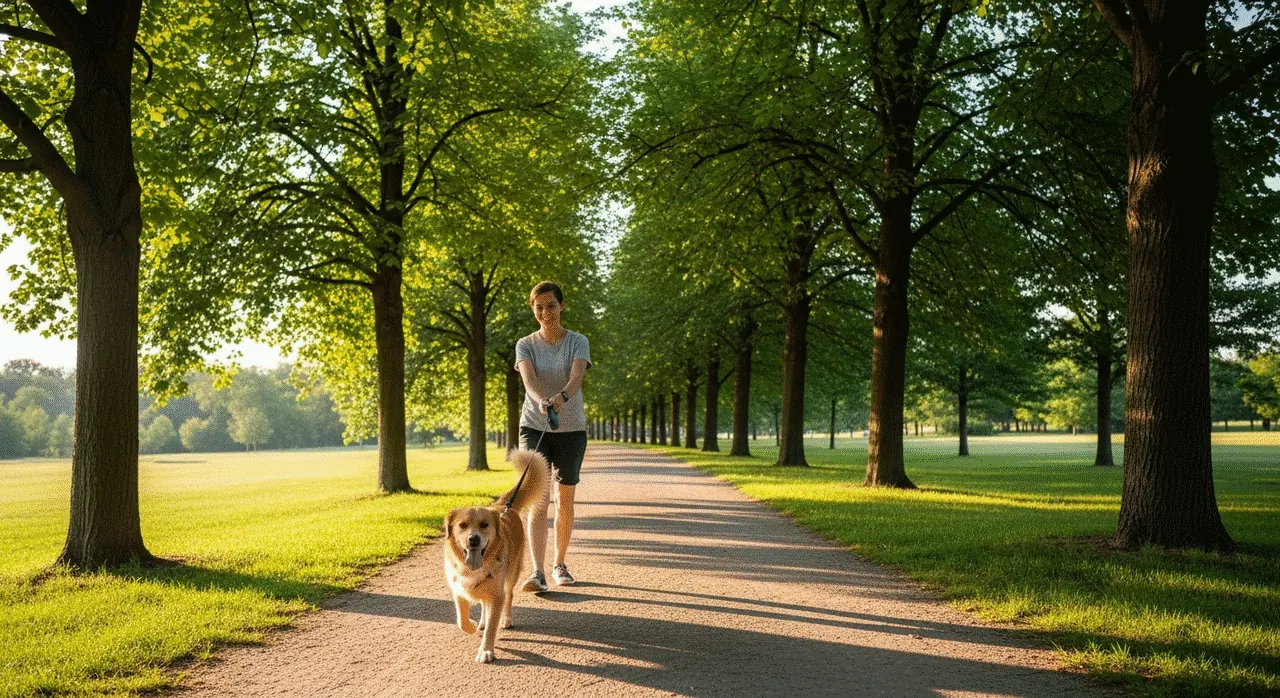
9 Dog Playdate Rules Every Host Breaks (And the 1 That Ends Friendships)

Dog playdates are basically the best invention ever. Two or three pups, a safe space, some zoomies, a few naps. But the difference between a dreamy playdate and a stressful one often comes down to etiquette.
Before the Playdate: The Pre-Party Checklist
For the host
- Pick a neutral or dog-friendly space (backyard or park works better than your living room for new pals)
- Remove high-value items: bones, favorite toys, food bowls
- Stash anything breakable at puppy-tail height
- Set out a few interchangeable toys (nothing a dog will resource guard)
- Fill water bowls in multiple spots
- Secure gates, doors, and fences
For the guest
- Confirm your dog is healthy, vaccinated, and parasite-free
- Bring poop bags (yes, even at someone's house)
- Pack your own water bowl and leash
- Don't bring toys unless the host asks
- Don't bring high-value chews or treats (conflict fuel)
- Communicate quirks — fear of hats, scared of stairs, doesn't like close sniffing
Great playdates start before anyone arrives. Whether you're hosting or attending, nail these:
For the Host:
For the Guest:
Make Introductions Right
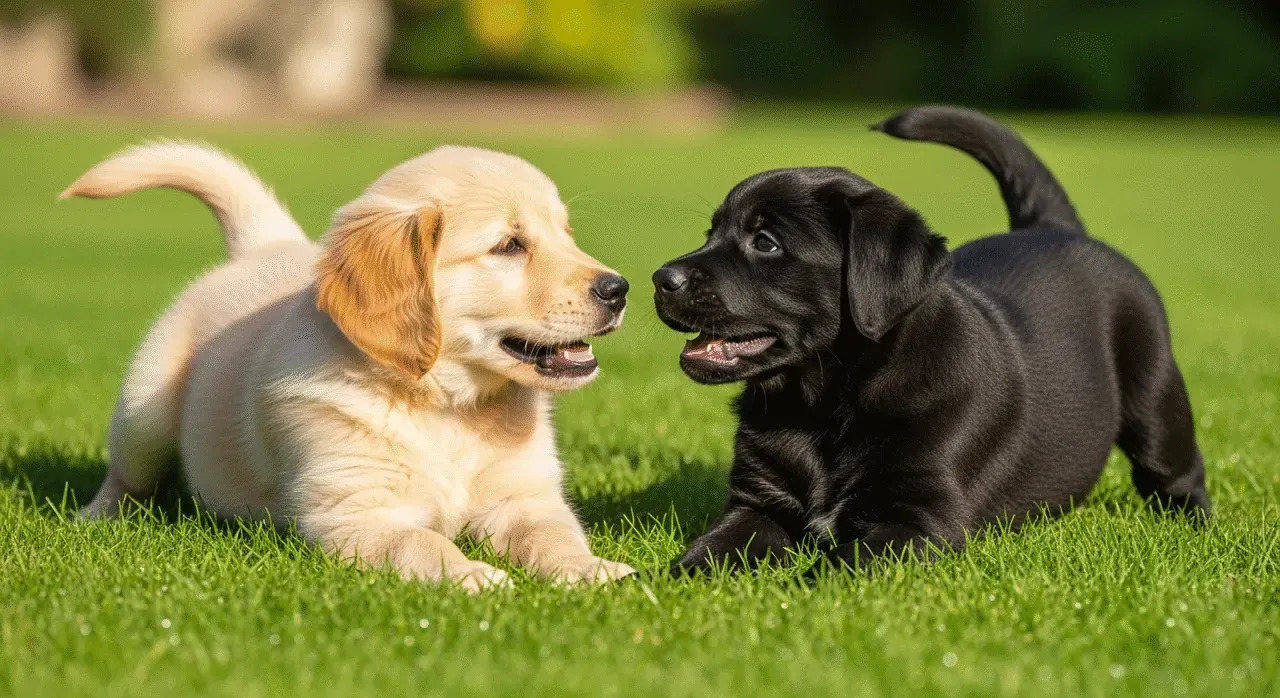
- Meet outside on leash — walk parallel for 2–3 minutes first
- Drop leashes or go off-leash only once both dogs are loose and relaxed
- Don't crowd the greeting — let them sniff, move apart, come back
- No hovering humans — standing over dogs creates pressure
The first few minutes set the tone. Even if the dogs know each other, do a proper intro every time.
If one dog seems tense or overwhelmed, pause. Take a walk. Try again in 5.
Read the Body Language — Constantly
Good play looks like
- Loose, wiggly bodies
- Play bows (butt up, chest down)
- Role-reversal — chasing and being chased, on top and bottom
- Self-interruptions — pausing, shaking off, walking away
- Soft mouths, not hard bites
Time-to-step-in signals
- One dog consistently pinning, chasing, or cornering the other
- Hard stares, freezing, or stiff bodies
- A dog trying to hide behind humans or furniture
- Raised hackles that don't come down
- Growls that escalate rather than punctuate
Rule of thumb: if you're wondering whether to break it up, break it up. Always the right call.
Good play looks like:
Time-to-step-in signals:
Know When to Call a Break
Overtired dogs are like overtired toddlers — everyone gets crankier fast. Schedule structured breaks every 15–20 minutes: separate the dogs with a leash, gate, or distance, offer water, and give everyone a chance to come down before restarting.
Overtired dogs are like overtired toddlers — everyone gets crankier fast. Schedule structured breaks every 15–20 minutes:
- Separate the dogs with a leash, gate, or distance
- Offer water
- Give everyone a chance to "come down" before restarting
Short bursts of play beat marathon sessions. Every time.
Hosting Multiple Dogs? Think in Pairs
- Match size and energy levels
- Invite dogs who already know each other as a base, then add newcomers one at a time
- More humans = more eyes = safer play
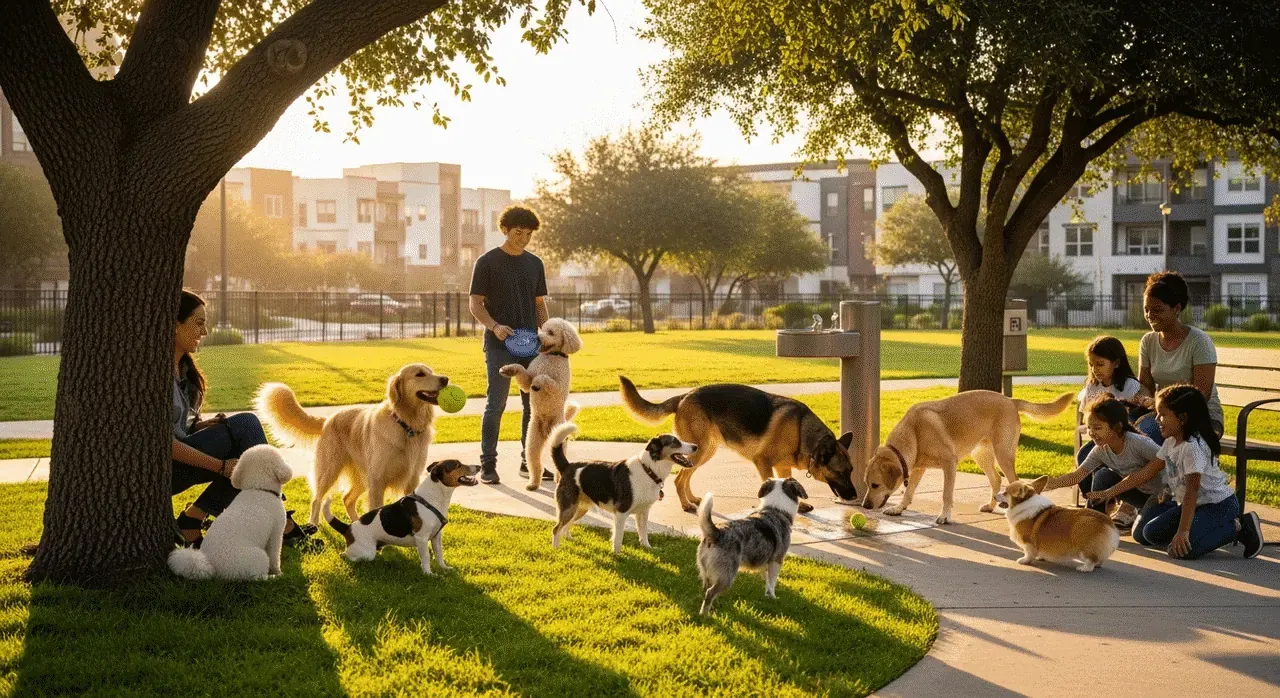
- Outdoor space is almost always the move for bigger groups
Two dogs is a playdate. Three dogs can be a party. Four or more is an event that needs planning.
Clean Up Like a Champion
- Pick up poop the moment it happens — no exceptions
- Wipe muddy paws before heading inside
- Don't leave water bowls or toys out for the next dog to trip over
- Offer to help the host tidy up
Playdate Red Flags to Watch For
- A dog that's consistently bullying, not playing
- An owner who isn't watching their dog
- A dog who's clearly stressed but keeps getting pushed into play
- Off-leash dogs with no recall in a space that needs it
- Dogs with unknown vaccine status
Plan your next playdate at ruffruffletsplay.com — less stress, more zoomies.
It's okay to end early — or pass on future playdates — if you notice:
Trust your gut. Your dog definitely is.
Dog playdates are basically the best invention ever. Two or three pups, a safe space, some zoomies, a few naps — it's the gold standard of dog enrichment.
But the difference between a dreamy dog playdate and a stressful one often comes down to etiquette. The small stuff. The things seasoned pup parents do without even thinking.
At Ruff Ruff Let's Play, we've seen thousands of playdates unfold. Here's the unofficial, battle-tested Dog Playdate Etiquette 101 — for both hosts and guests.
Say Thank You (Seriously)
A quick "thanks, that was great — my dog is knocked out" message after the playdate goes a long way. Share a photo if you grabbed one. It's the etiquette glue that keeps the community strong.
Find Better Playdates with Ruff Ruff Let's Play
Want playdates with dogs who actually match your pup — in parks that actually work? Ruff Ruff Let's Play makes it easy to:
- Find dog parks near you that are right-sized for your pup
- Connect with vetted puppy pals
- Create and invite friends to playdates in seconds
- Build a regular crew your dog can grow up with
Plan your next playdate at ruffruffletsplay.com — less stress, more zoomies.
Find a Dog Park Near You Now
Discover dog parks and connect with other dog parents. Public park pages show only the current checked-in dog count per park—not people or owner identities; two dogs from one person count as two. Individual check-in details are shared only with accepted connections when the person opts in.