The Unspoken Rules of Dog Parks (Confessions of a 4-Year Regular)
"There Are Rules?"
Yes. Yes, there are.
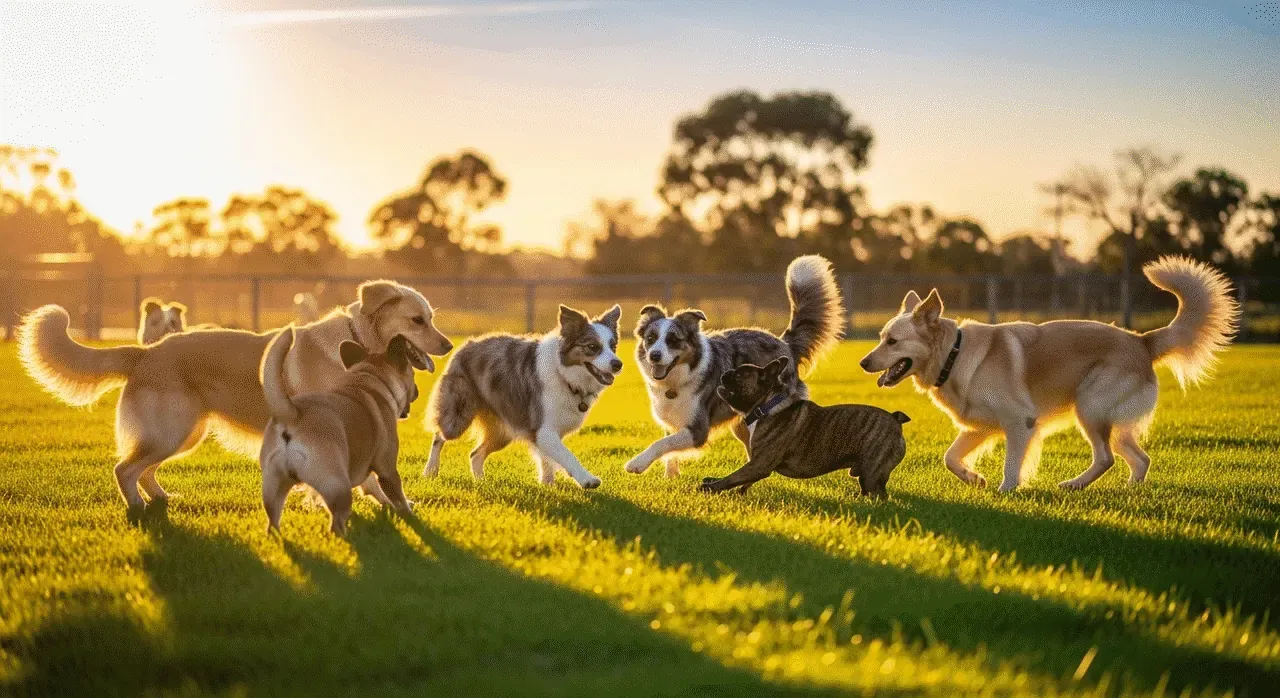
Nobody posts them. They're not on a sign. The parks department doesn't enforce them. But every regular knows them. And you can spot a newbie within 90 seconds based on whether they break them.
I've been going to my home park 4-5 times a week for four years. I've watched hundreds of pup parents come and go. I've seen what works (you become "one of us") and what gets you side-eyed by the regulars (and quietly avoided).
Here are the unspoken rules. The ones that nobody tells you. The ones I wish someone had told me at the start.
Rule #1: Watch Your Dog. Phone Down.
The fastest way to be respected at a dog park: pay attention to your dog.
The fastest way to be quietly resented: scroll your phone while your dog body-checks a Yorkie.
Eyes on dog. Phone in pocket. That's the prime directive.
It feels obvious. But you'd be amazed how many pup parents need this said.
Rule #2: Pick Up. Every. Single. Poop.
Even the small ones. Even when you don't think anyone saw. Even when it's been a long day.
Regulars notice. We track who picks up and who doesn't. We talk about you when you leave. (Lovingly. Unless you don't pick up.)
The dog park is a shared resource. Treating it well = the bare minimum.
Rule #3: The Greeting Triangle
This one took me a year to learn.
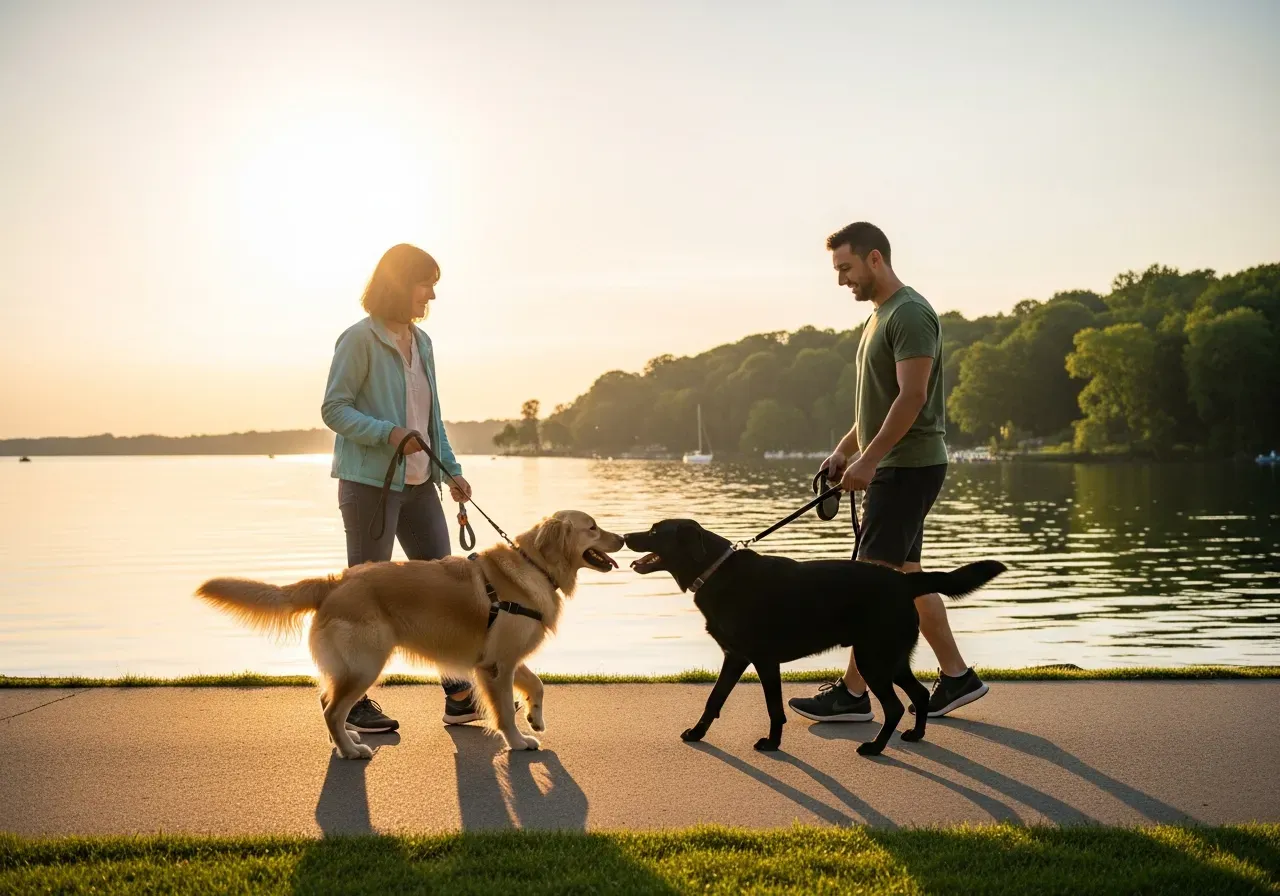
When new dogs meet, there's a "greeting triangle" — sniff, retreat, sniff again. It's normal. It's healthy. Don't interrupt it.
What new pup parents do wrong:
- Pulling their dog away mid-sniff ("come on, let's go").
- Picking up their small dog mid-greeting (creates anxiety).
- Running over to "supervise" (changes the energy).
- Yelling "be nice!" (their dog has no idea what that means).
What experienced parents do:
- Stand back.
- Watch body language.
- Let dogs work it out at their pace.
- Step in only if play tips into stress.
Rule #4: Don't Bring Treats Into the Off-Leash Area
This is the rule I broke for my first 6 months. Nobody told me.
Bringing high-value treats into a dog park = potential resource guarding incident waiting to happen. Other dogs smell them. They crowd you. Things go sideways.
If you need treats for recall:
- Pocket them. Don't dispense to your dog where others can see.
- Step out of the park area to give them.
- Use low-value snacks if you must (kibble > chicken).
Rule #5: "He's Friendly!" Is Not a Pass
If you yell "he's friendly!" while your dog is body-slamming another dog who clearly doesn't want to be body-slammed — your dog is not being friendly. They're being rude.
Friendly = mutual. Both dogs into it. Both dogs taking breaks. Both dogs reading each other.
If the other dog is showing stress signals and yours isn't backing off — that's bullying. It doesn't matter how nice your dog "is."
Recall your dog. Apologize. Move on.
The Regulars' Quiet Hierarchy
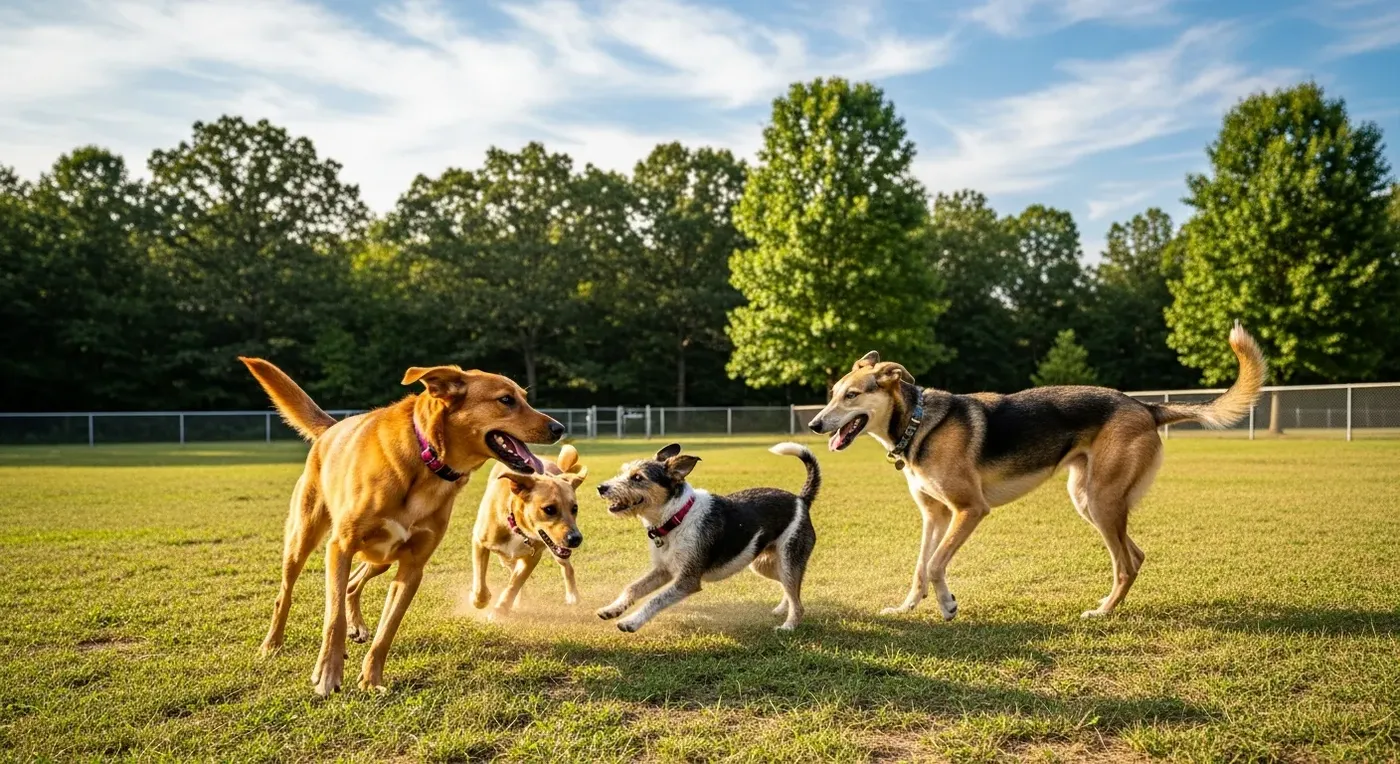
You move up the hierarchy by paying attention, picking up, being friendly, and not causing problems. That's the whole game.
Rule #6: Stand Where You Can See Your Dog
Pick a spot in the park where you can see your dog at all times. If you have to crane your neck or your dog wanders out of sight — move.
Most dog incidents happen when humans aren't watching.
Rule #7: Don't Let Your Dog Mob the Gate
When new dogs arrive, the existing dogs sometimes "rush" the gate. This stresses incoming dogs and increases scuffle risk.
If your dog is a gate-rusher: train them to stay back. Reward distance from the gate.
If your dog gets gate-rushed by others: pause outside until things calm down.
Rule #8: The 3-Visit Rule for New Dogs
New to the park? Your first 3 visits should be:
- Quiet — don't try to introduce yourself to everyone.
- Watching — observe dynamics, learn names.
- Cautious — keep your dog close, gauge fit.
After visit 3, you'll know if this park is your home park. The regulars will start nodding at you.
Rule #9: Don't Bring Drama From Outside
If you're having a bad day, that's fine — but don't direct it at your dog, other people's dogs, or other regulars.
The park is a sanctuary. Don't pollute it.
Rule #10: Honor the Quiet Senior Dogs
Some parks have older dogs who come for short visits. They sniff. They lie down. They don't play.
Don't let your hyper puppy harass them. Recall your dog. Respect their space.
The senior dogs are everyone's favorite. Treat them well.
What I Wish I'd Known on Day 1
- Watch the regulars before you talk to them. Learn dynamics first.
- Don't bring kid-treats or snacks for yourself in the off-leash area. Same resource-guarding logic.
- The regulars actually like new people who follow the rules. It's a community.
- The dog park has a vibe. Match it; don't fight it.
- It's okay to leave early. Not every visit needs to be 90 minutes.
- Some days are off days. Don't take it personally if your dog is weird that day.
Things That Make You "One of Us"
- Picking up before you're asked.
- Watching your dog without phone scrolling.
- Apologizing if your dog is rude.
- Helping a struggling new pup parent.
- Knowing the regular dogs' names.
- Stepping in calmly when things tip.
- Bringing a tennis ball for the communal play.
- Refilling the water bowl when it's empty.
- Saying hi (without being weird).
Things That Make You "That Person"
- Phone scrolling while your dog harasses others.
- Not picking up.
- "He's friendly!" excuses.
- Bringing a puppy who's overwhelmed and refusing to leave.
- Letting your dog hump everyone.
- Bringing food into the park.
- Refusing to step in when your dog is rough.
- Stealing other people's tennis balls.
FAQ
Why are dog parks so cliquey?
They're not really cliquey — they're community-y. Regulars know each other. New people are absolutely welcome but observed first.
How do I "fit in" at a new dog park?
Visit 3-4 times. Be friendly but not overwhelming. Watch your dog. Pick up. Smile. You'll be one of "us" within a month.
What do I do if another dog is bullying mine?
Recall your dog. Move them away. If the bullying dog's owner doesn't intervene, leave. Don't engage.
Is it okay to correct other people's dogs?
Generally no — direct it to their owner. "Could you call your dog off mine? Mine's getting overwhelmed."
What if I just don't like dog parks?
That's fine. Try matched playdates, private rentals, or hiking trails instead.
Do regulars actually pay attention?
Yes. Yes we do.
The Bottom Line
The unspoken rules are unspoken because they're learned. By doing. By watching. By becoming part of the community.
Show up. Pay attention. Pick up. Be kind. The dog park will teach you the rest.
Find your home park on Ruff Ruff Let's Play.
How to Find the Best Dog Park Near You
10 Dog Park Red Flags
Your First Dog Park Visit
Find a Dog Park Near You Now
Discover dog parks and connect with other dog parents. Public park pages show only the current checked-in dog count per park—not people or owner identities; two dogs from one person count as two. Individual check-in details are shared only with accepted connections when the person opts in.