How to Introduce a Puppy to the Dog Park: A Week-by-Week Plan

Your puppy is bouncing off the walls. They're fully vaccinated. Everyone keeps saying "take them to the dog park!"
Slow down. The dog park can be the best — or the worst — thing to happen to a young puppy's social development. Rushed into it, and you can create fear, reactivity, or bad play habits that last years. Done right, and you set up your dog for a lifetime of confident, joyful social life.
Here's the Ruff Ruff Let's Play week-by-week plan to introduce a puppy to the dog park the right way.
Before You Start: Is Your Puppy Ready?
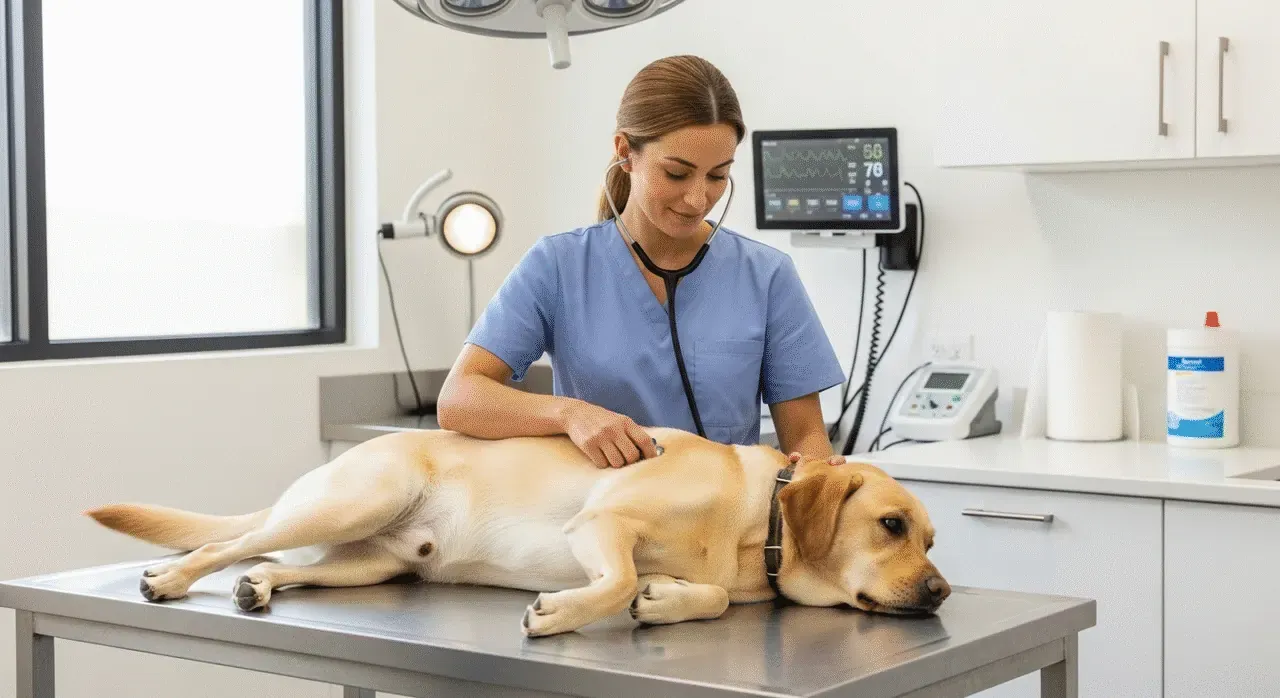
Before your puppy's first park visit, use our dog park vaccine checklist to confirm they're ready.
Checklist:
- ✅ At least 16 weeks old (most vets recommend waiting)
- ✅ Fully vaccinated (rabies, distemper, parvo, Bordetella)
- ✅ Started parasite prevention (fleas, ticks, heartworm)
- ✅ Can respond to basic cues (sit, come, name recognition)
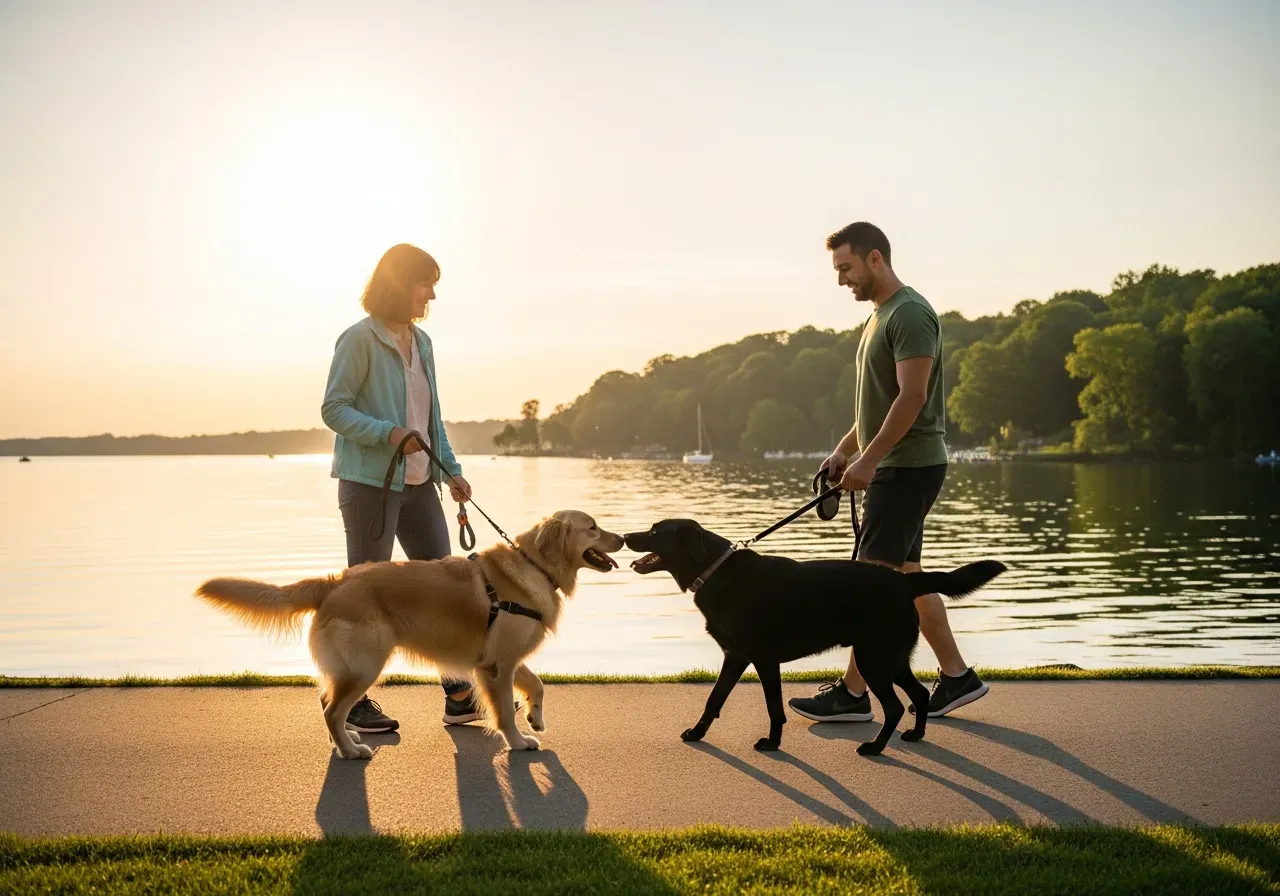
- ✅ Has had positive experiences with 3–5 individual dogs already
- ✅ Is comfortable being handled, leashed, and in public spaces
If any of these aren't there yet — wait. A bad first experience is worse than no experience.
The 6-Week Plan
Week 1: The Observation Phase
Goal: Expose your puppy to dog parks from a distance.
- Visit 2–3 times this week
- Stay outside the fence in the parking lot or nearby grass
- Let your puppy watch other dogs play
- Feed treats whenever your puppy is calm or curious
- Sessions: 10–15 minutes max
You're teaching: "The dog park is an interesting, safe place to be near."
Week 2: The Perimeter Walk
Goal: Walk the park perimeter on leash.
- Visit 2–3 times
- Walk along the outside of the fence
- Let your puppy greet dogs through the fence (if the other dog is friendly)
- Treat, praise, move on
- Sessions: 15–20 minutes
You're teaching: "Dogs behind the fence are fun to see, not scary."
Week 3: The Quiet Time Entry
Goal: Enter the park during the quietest possible time.
- Choose weekday mornings or early afternoons
- Pick a small, low-drama park (not the big chaotic one)
- Go on days when only 2–4 dogs are there
- Stay on leash the first time you enter
- Allow brief sniff greetings
- Leave after 10–15 minutes, before overwhelm
Week 4: The First Off-Leash Try
Goal: Let your puppy experience off-leash play in a controlled setting.
- Same quiet park, similar quiet hours
- Drop leash but stay very close
- Engage your puppy frequently — call them to you for treats
- Watch body language like a hawk
- 15–20 minutes max
- Leave on a high note
Week 5: Small Group Play
Goal: Build positive social interactions with 2–4 other dogs.
- Choose friendly, known dogs if possible
- Rentable private parks or organized small-group playdates on ruffruffletsplay.com are ideal
- Let your puppy play, rest, play — in short cycles
- Intervene early if play gets too rough
Week 6: Bigger Park, Longer Visits
Goal: Expand their comfort zone.
- Try a moderately busier park
- Still off-peak hours (not peak evening rush)
- 25–30 minute visits
- Call your puppy to you periodically — keep recall strong even in excitement
What to Look for (and Watch Out For)
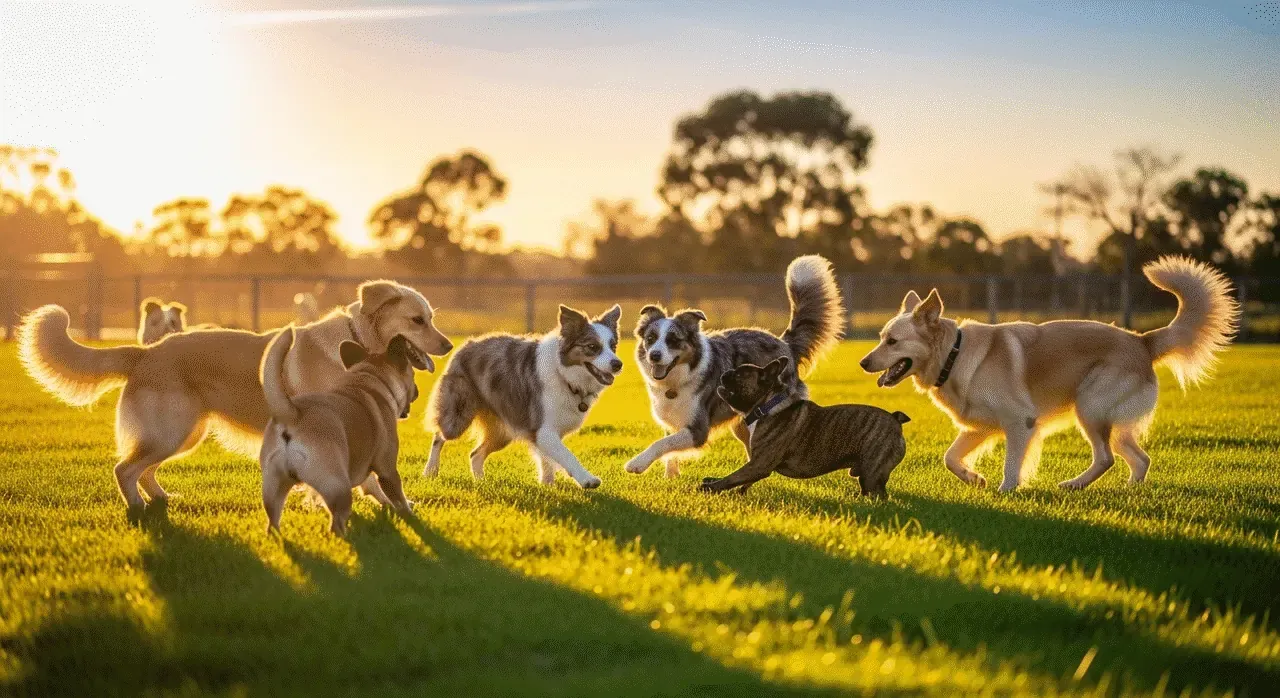
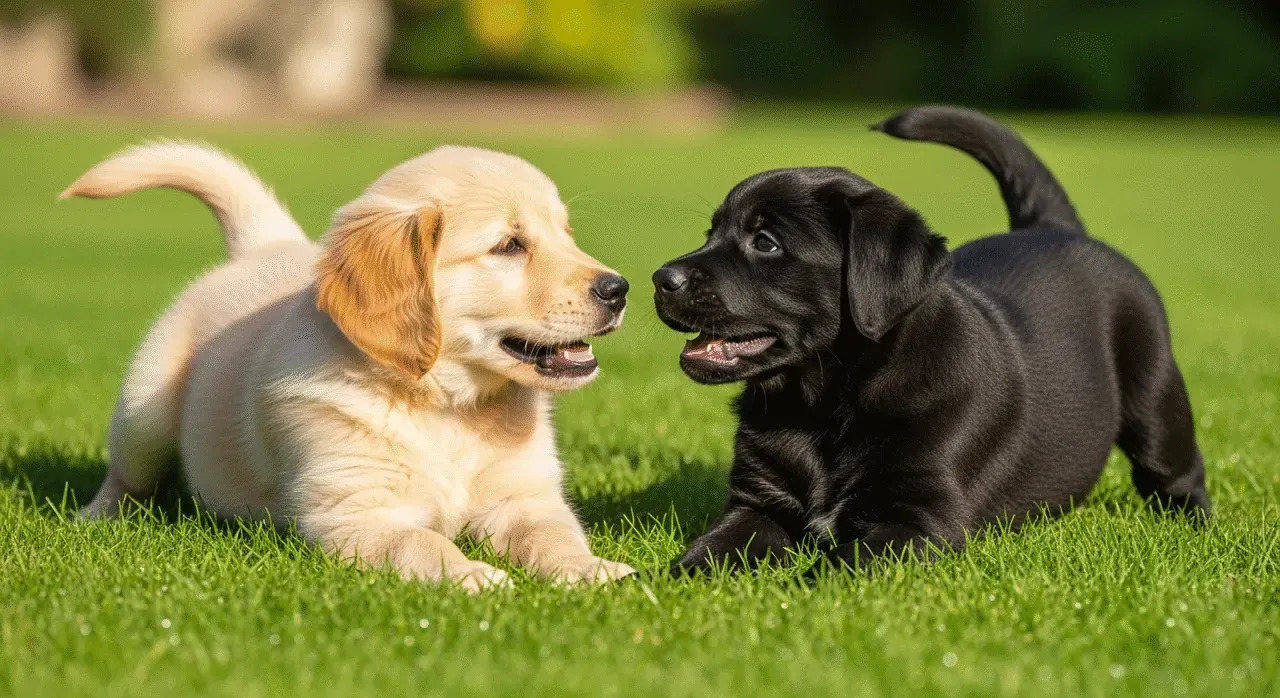
Healthy puppy play:
- Loose body
- Play bows
- Chasing with breaks
- Rolling onto their back voluntarily
- Walking away and coming back
Stop and intervene if:
- Your puppy is hiding behind you
- Another dog is pinning, chasing, or not letting up
- Your puppy's tail is tucked or ears are pinned
- Your puppy yelps in distress
- Your puppy shuts down or freezes
The Biggest Mistakes to Avoid
❌ Throwing Them Into a Crowded Park on Day One
One of the fastest ways to create a reactive dog.
❌ Not Leaving Early Enough
Quit while they're still loving it. Don't push to exhaustion or overwhelm.
❌ Forcing Introductions
If your puppy doesn't want to approach another dog — don't make them.
❌ Ignoring Red Flags
A "friendly" dog who's pinning your puppy isn't friendly. Step in.
❌ Skipping Socialization Between 8–16 Weeks
The critical socialization window is early. You don't have to wait for full vaccinations to start — safe, controlled exposure to vaccinated dogs and new experiences is one of the best gifts you can give a young puppy.
Alternatives If the Park Isn't Working
Some puppies thrive better with:
- One-on-one playdates with calm, vaccinated adult dogs
- Puppy social classes run by certified trainers
- Private rental parks where it's just your puppy and one friend
- Supervised daycare with age-appropriate groupings
All bookable or findable on ruffruffletsplay.com.
What a Well-Socialized Puppy Looks Like at 1 Year
- Confident in new environments
- Makes friends easily
- Recovers quickly from small scares
- Plays with a variety of dog sizes and energy levels
- Responds to recall even when excited
- Calm in busy public spaces
That's the goal. And with 6 weeks of smart, gradual introduction, it's completely doable.
Your Puppy Only Has One First Experience
Make it count.
Find the right puppy-friendly parks and playdates at ruffruffletsplay.com — built for growing pups, not thrown in with everyone else.
Find a Dog Park Near You Now
Discover dog parks and connect with other dog parents. Public park pages show only the current checked-in dog count per park—not people or owner identities; two dogs from one person count as two. Individual check-in details are shared only with accepted connections when the person opts in.