Dog Urine Spots on Your Lawn: How to Fix Them (Does Lime or Gypsum Actually Work?)

The Quick Answer
- Lime: Can help long term by rebalancing soil pH, but it's slow and doesn't fix active spots.
- Gypsum: Works better than lime for dog urine damage because it helps leach salts without raising pH further.
- Neither is a magic fix. Real solutions are: dilute immediately, reseed damaged spots, and reduce the cause at the source.
The full breakdown — including the science, the pro landscaping tricks, and what Ruff Ruff Let's Play pros can do for your yard — below.
Why Does Dog Urine Kill Grass?
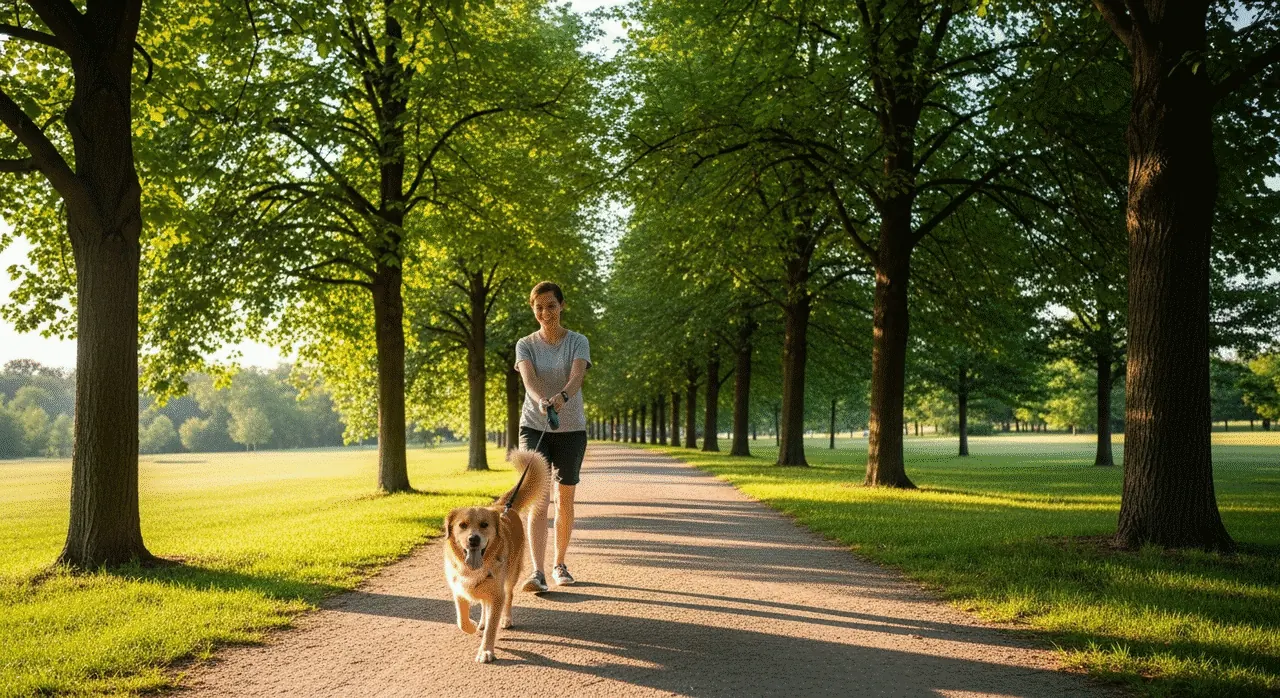
Common misconception: "My dog's pee is too acidic."
Actual culprit: nitrogen overload.
Dog urine is packed with nitrogen — and nitrogen is technically a plant fertilizer. But concentrated in one spot, it's like dumping a whole bag of fertilizer on a 6-inch patch of lawn. The result? The grass gets burned.
Salt content also plays a role, drawing moisture out of the grass roots.
Fun fact: the ring of extra-green grass around the yellow dead spot is where the nitrogen diluted enough to act as fertilizer. Same substance, different concentration.
Does Lime Help With Dog Urine Spots?
Short answer: not directly.
Lime raises soil pH (makes it less acidic). Since dog urine damage is about nitrogen + salt — not acidity — lime doesn't fix the root cause.
When lime DOES help:
- If your soil is naturally acidic (common in parts of the Pacific Northwest, Northeast)
- Rebalancing pH helps grass recover faster long-term
- Makes nutrients more available to new grass seed
When lime doesn't help:
- Any acute urine burn
- Alkaline soil (it makes things worse)
- Sandy soil that already drains well
Verdict: Not the first tool to reach for. Test your soil pH before applying.
Does Gypsum Help With Dog Urine Spots?
Short answer: more helpful than lime — but still not a miracle cure.
Gypsum (calcium sulfate) works by:
- Displacing sodium (salt) from soil particles — letting rain and watering leach it out
- Improving soil structure (reduces compaction)
- Adding calcium (a nutrient grass needs)
- Doesn't raise pH — safer for most soils than lime
Best use of gypsum for dog urine spots:
- Identify damaged spots
- Apply gypsum at the rate on the bag (usually a light sprinkle)
- Water deeply to dissolve and leach salts
- Reseed
When gypsum won't help:
- Low-salt soils (gypsum helps mainly with salt leaching)
- Already healthy, non-damaged grass
- If the grass is completely dead — gypsum helps soil, not corpses
Verdict: Useful tool in the lawn-recovery kit, especially for salty soils.
What Actually Works (Step by Step)
If you have active dog urine spots on your lawn, here's the order of operations that actually delivers results:
Step 1: Dilute Immediately After Peeing
The single most effective prevention — dump a gallon of water on the spot right after your dog pees. Dilutes the nitrogen BELOW burn concentration.
Real talk: Most pup parents can't do this every single time. But even doing it after morning and evening pees helps dramatically.
Step 2: Rake Dead Grass
Once a spot has died, remove the dead grass with a small hand rake. Exposes soil for fresh seed to take root.
Step 3: Loosen the Soil
Soil under urine damage is often compacted. Poke it with a garden fork or use a hand aerator.
Step 4: Apply Gypsum (for Salty Damage)
Light sprinkle. Water in thoroughly.
Step 5: Reseed
Use a grass seed blend matched to your existing lawn. Keep moist for 2–3 weeks until germination.
Step 6: Keep Your Dog Off the Spot
Temporary fencing or a small obstacle. 3–4 weeks is usually enough for new grass to establish.
Long-Term Prevention Strategies
1. Train Your Dog to a "Potty Zone"
Designate a corner of the yard — gravel, mulch, or a hardy grass like fescue — and train your dog to only go there. Takes 2–4 weeks of consistent training but saves your whole lawn.
2. Hydration
A well-hydrated dog produces more diluted urine. Less nitrogen per spot.
3. Diet Tweaks (Talk to Your Vet)
Certain high-protein foods produce more nitrogen in urine. Your vet can advise on whether adjustments are appropriate.
4. Dog-Urine-Tolerant Grass Varieties
Some grasses handle urine better:
- Perennial ryegrass — among the most tolerant
- Tall fescue — deep roots, recovers well
- Kentucky bluegrass — average tolerance
Worst tolerance: Bermuda, Zoysia, Bentgrass.
5. Reinforce Soil Health
Aerate annually. Top-dress with compost. Healthy soil handles urine better than compacted dirt.
6. Hire Someone for Yard Maintenance
This is where Ruff Ruff Let's Play comes in. Local pros can handle:
- Weekly yard poop cleanup (prevents further lawn damage)
- Lawn deodorizer application (reduces urine smell + prevents repeat spots)
- Sanitizing and restoring spots
Bundle these with your regular dog care gigs.
Myths to Ignore
- ❌ "Tomato juice in dog food prevents urine burn" — no evidence
- ❌ "Dog urine is more acidic in females" — mostly myth; volume matters more than sex
- ❌ "Feeding baking soda neutralizes urine" — can be dangerous; don't do this without vet guidance
- ❌ "Yellow spots mean your dog has a UTI" — usually just normal urine concentration
- ❌ "Neutering changes urine chemistry significantly" — not substantially for lawn damage purposes
FAQ
How much lime do I need for dog urine spots?
If soil test shows acidic pH, typical application is 40 lbs per 1,000 sq ft — but only on full lawn treatment, not spot-application. Spot-lime rarely helps.
How fast does gypsum work?
You'll see improvement within 2–4 weeks for salt-related damage.
Can I mix lime and gypsum?
Yes, but only if soil testing supports both. Lime raises pH; gypsum doesn't. Overdoing it creates new problems.
Is there a product specifically for dog urine spots?
Yes — "Pee Post" products, "Grass Saver" supplements, and "lawn patch" products work for some pup parents. Results vary widely.
Should I water my lawn daily?
Not unless you're establishing new seed. Over-watering causes its own problems.
Will my dog's urine eventually "season" my lawn?
No. That's a myth. Regular urine damage continues indefinitely without intervention.
What about artificial turf?
Solves the problem entirely if you're okay with artificial — but requires regular rinsing to prevent smell buildup.
The Lawn Recovery Plan
- Dilute pee spots when you can
- Use gypsum (not lime) for active damage
- Reseed dead spots
- Train a potty zone
- Consider weekly yard care support
Book weekly yard cleanup + lawn deodorizer at ruffruffletsplay.com — your lawn, your weekends, restored.
Related: Yard Poop Cleanup 101 | Pick Up Dog Poop Service Near Me
Find a Dog Park Near You Now
Discover dog parks and connect with other dog parents. Public park pages show only the current checked-in dog count per park—not people or owner identities; two dogs from one person count as two. Individual check-in details are shared only with accepted connections when the person opts in.
Keep Reading
Paws Down: The Off-Leash Dog Park App I Wish I'd Found Sooner (A Pup Parent's Tail of Trial and Error)
8 min read
Why I Stopped Trusting Yelp for Dog Parks (And the App I Actually Use Now)
8 min read
I Joined Every Dog Socializing Platform So You Don't Have To (Here's the One That's Actually Active)
9 min read