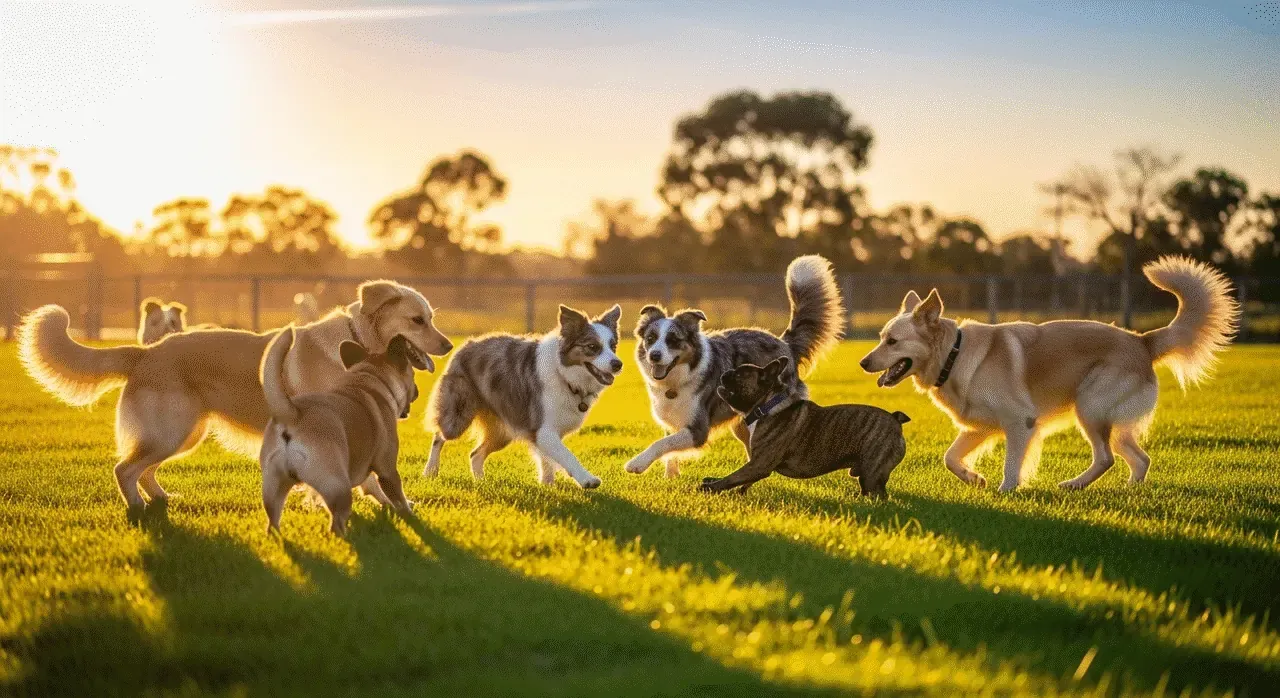
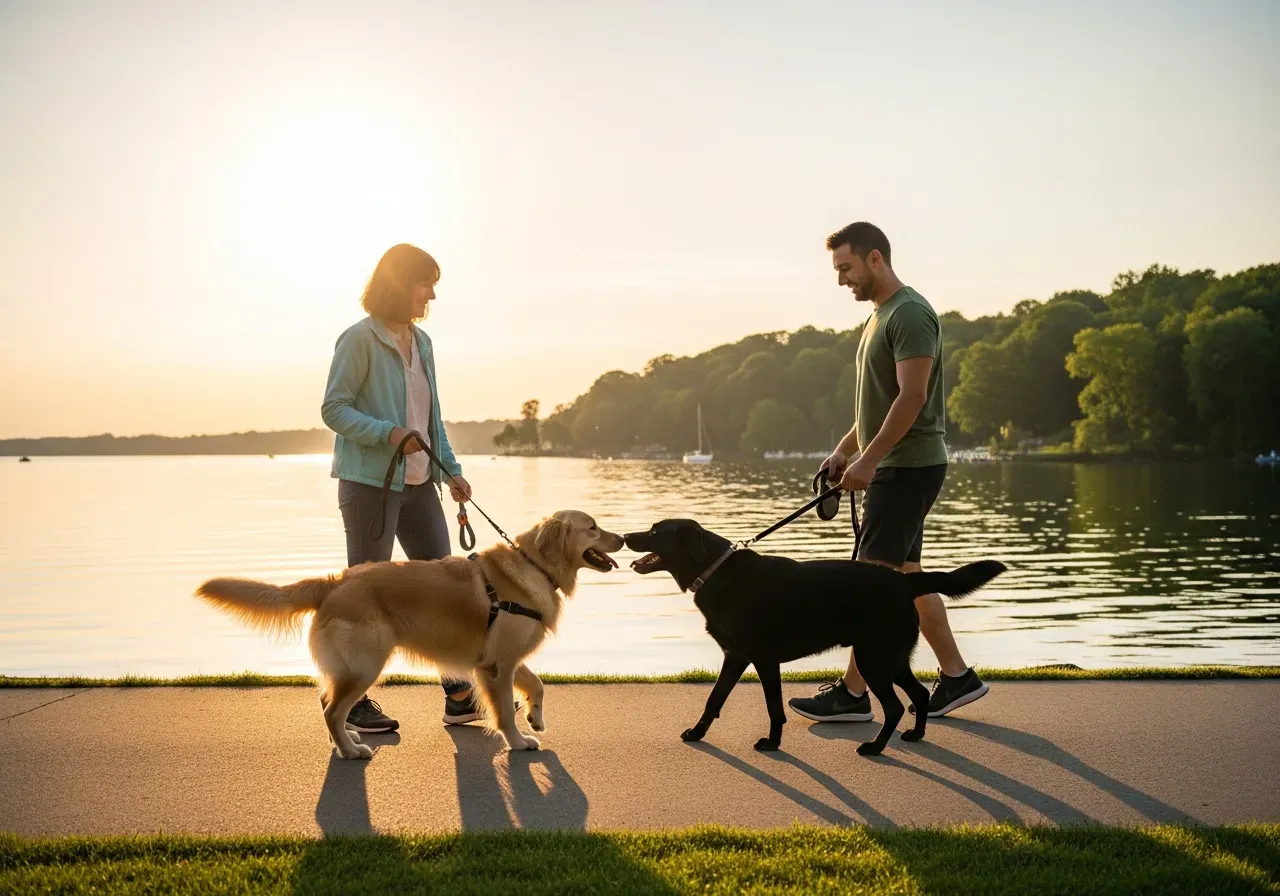
Dog Parks With Splash Pads & Swim Spots Near Me

If your dog has ever dunked themselves in the water bowl, belly-flopped into a kiddie pool, or sprinted through a sprinkler unprompted — you already know: water dogs are a different breed (pun intended).
A good dog park with water features isn't just a bonus — it's a transformation. Hot afternoons become epic. Cardio becomes effortless. Zoomies become splash-zoomies. And you get a dog who's genuinely tired by dinner.
Here's everything to know about dog parks with water features near you.
What Counts as a "Water Feature" at a Dog Park?
For natural-water visits, use our blue-green algae safety guide before your dog swims.
The term covers a wide range:
- Splash pads — ground-level jets dogs can run through
- Doggy pools — shallow built-in concrete pools
- Ponds or lakes — natural swimming with entry ramps
- Creeks or streams — running water to wade and splash
- Hose stations — simple but beloved cool-down spots
- Kiddie pools — set up seasonally by park staff or volunteers
All of these offer hydration, cooling, and sensory enrichment — and they're incredibly good for burning energy.
Why Water Play Is So Good for Dogs

- Low-impact exercise — saves joints (great for seniors and recovering pups)
- Rapid cooling — critical in hot climates
- Mental enrichment — new sensory experience
- Builds confidence — hesitant dogs become bold after a splash
- Hydration encouragement — some dogs drink more around water play
- Tires them out fast — a 15-minute swim equals a 45-minute walk
What to Look For in a Water-Feature Dog Park
- ✅ Clean, well-maintained water — algae or standing water can harbor bacteria
- ✅ Entry ramp or gentle slope — not a sudden drop
- ✅ Depth appropriate to your dog's size — small dogs can drown in deep pools
- ✅ Shade nearby — dogs still overheat between dips
- ✅ Fresh drinking water separate from play water
- ✅ Rinse-off hose or station — nobody wants a muddy drive home
Safety Considerations
Before You Dive In
- Check water cleanliness — avoid standing, stagnant, or algae-heavy water
- Avoid water with "blue-green algae" warnings (toxic to dogs)
- Bring a towel (always)
- Consider a doggy life vest for deep water or weak swimmers
- Watch for "water intoxication" — dogs who swallow too much water
Breeds That Love Water
- Labs, Goldens, Portuguese Water Dogs, Newfoundlands
- Chesapeake Bay Retrievers, Standard Poodles
- Most spaniels and setters
- Many mixed breeds with retriever DNA
Breeds That Might Not Love Water
- Bulldogs, Pugs, other brachycephalic breeds — they tire fast and overheat
- Very small dogs — drowning risk in deep water
- Heavy-coated breeds — take forever to dry and can develop hot spots
- Some sighthounds — low body fat means cold water is miserable
Summer Dog Park Safety (Water Edition)
- Go early morning or evening — avoid midday heat
- Check pavement temps before entering the park (5-second rule: if you can't hold your hand on it, it's too hot for paws)
- Bring plenty of fresh drinking water
- Watch for signs of overheating: heavy panting, excessive drooling, wobbling
- Always have a dry-off towel and shade plan
Combining Water Parks with Dog-Friendly Beaches and Lakes
If your city has limited water-feature parks, expand your options:
- Dog-friendly beaches — often allow off-leash during specific hours
- Dog-friendly lake beaches — freshwater is easier on coats than saltwater
- Rivers and creeks — natural shallow water, often at state parks
- Kayak + swim spots — grown-up fun with your pup
How to Find Water-Feature Parks Near You
Not every park advertises water features clearly. To find them:
- Search ruffruffletsplay.com for parks filtered by "water" or "swim"
- Check Google reviews for photos (dogs swimming = a dead giveaway)
- Ask in local dog Facebook groups
- Follow your city's parks & rec social accounts
Rinse, Towel, Repeat
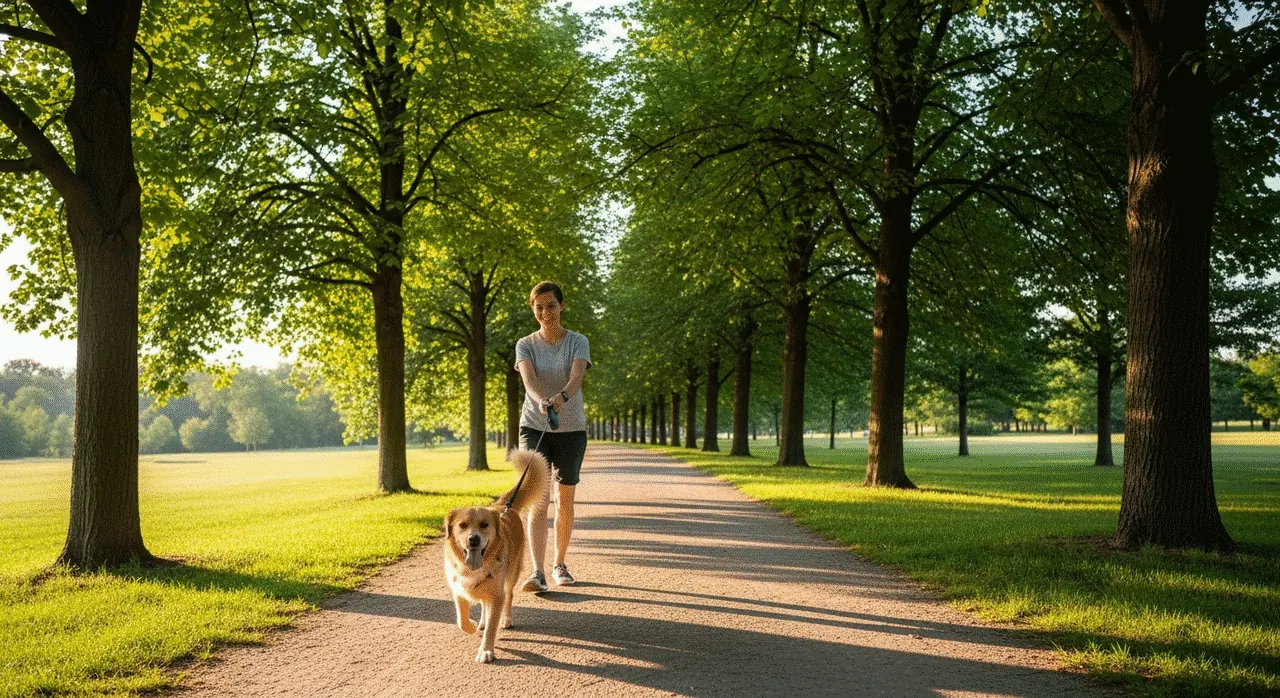
A good water-feature park is pure dog joy — and it'll become your go-to summer spot before you know it.
Find dog parks with water features near you at ruffruffletsplay.com — splash on.
Find a Dog Park Near You Now
Discover dog parks and connect with other dog parents. Public park pages show only the current checked-in dog count per park—not people or owner identities; two dogs from one person count as two. Individual check-in details are shared only with accepted connections when the person opts in.