What to Do If Your Dog Doesn't Like the Dog Park (It's More Common Than You Think)

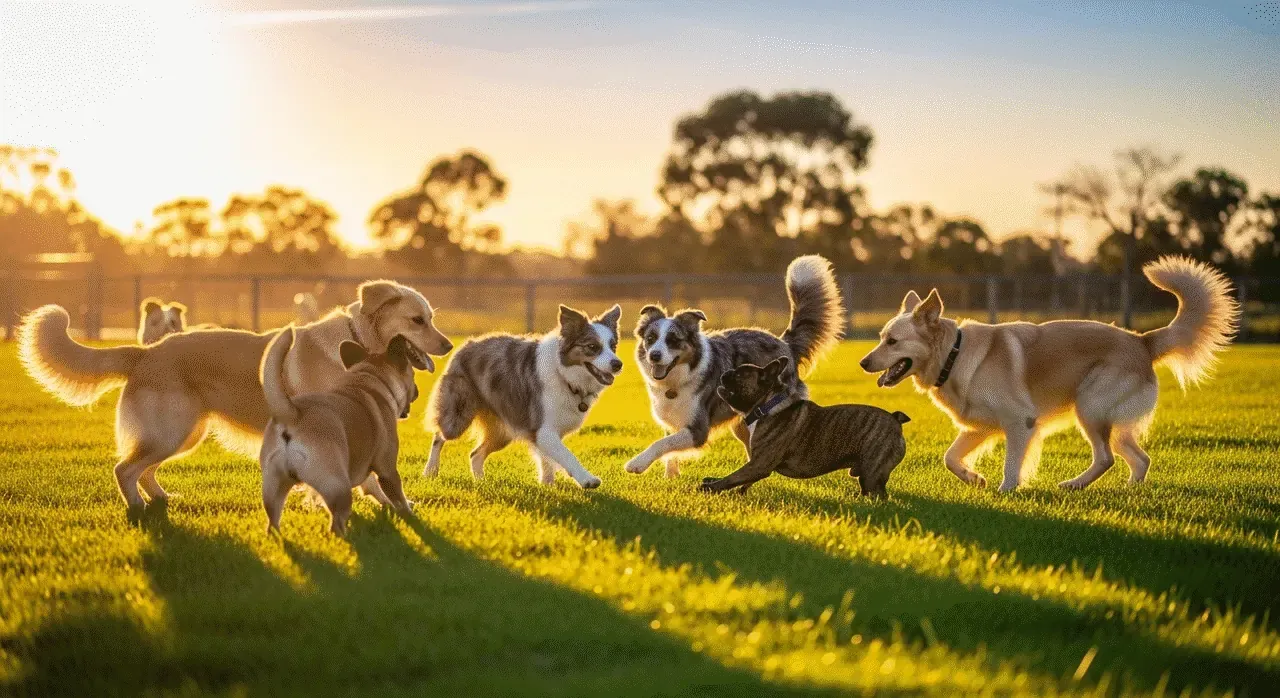
Dogs are supposed to love the dog park, right? That's what everyone says. That's what Instagram shows. That's what your vet's checklist implies.
But then you take your dog. And instead of tail-wagging euphoria, you get:
- A dog who hides behind your legs
- A dog who stands still and watches nervously
- A dog who walks the perimeter avoiding everyone
- A dog who actively tries to leave
Here's the truth: some dogs just don't like the dog park. It's not a flaw. It's not a failure. It's not even rare. And you have way better options than forcing it.
Why Some Dogs Don't Like the Dog Park
1. Overwhelm
Dog parks are loud, chaotic, and full of unknown variables. Some dogs find that thrilling. Some find it overwhelming.
2. Bad Past Experiences
One scary incident — a bullying dog, a scuffle, an aggressive bark — can sour a dog on parks for months or years.
3. Mismatched Energy
A mellow senior thrown in with bouncy juveniles. A small anxious dog surrounded by boisterous Labs. A shy rescue in a crowd of outgoing regulars. It's exhausting.
4. Personality
Some dogs are introverts. They prefer 1–2 close friends over crowds. That's not a problem — that's just who they are.
5. They're Still Adjusting
Recently adopted dogs, new to your home, or still settling in? Give them 2–3 months before expecting "dog park ready."
6. Age
Young puppies can get overwhelmed. Seniors can find the pace exhausting. Dogs in the middle years tend to handle parks best.
7. Breed Traits
Some breeds genuinely aren't dog-park dogs. Livestock guardian breeds, certain terriers, many sighthounds, and some herding breeds often don't love crowded off-leash play.
Signs Your Dog Is Telling You "No Thanks"
- Tucked tail, pinned ears
- Hiding behind you
- Stiff body language
- Refusing to play
- Trying to leave
- Lip licking, yawning, shaking off (stress signals)
- Repeatedly retreating to the gate
- Seeming "fine" but disengaged
Please — Don't Force It
The biggest mistake pup parents make is insisting their dog "get used to it." That approach (called flooding in behavioral science) almost always makes anxiety worse. It doesn't build confidence — it builds reactivity.
A dog who doesn't like the dog park isn't broken. They just need different social opportunities.
Better Alternatives (That Your Dog Will Actually Love)
1. One-on-One Playdates
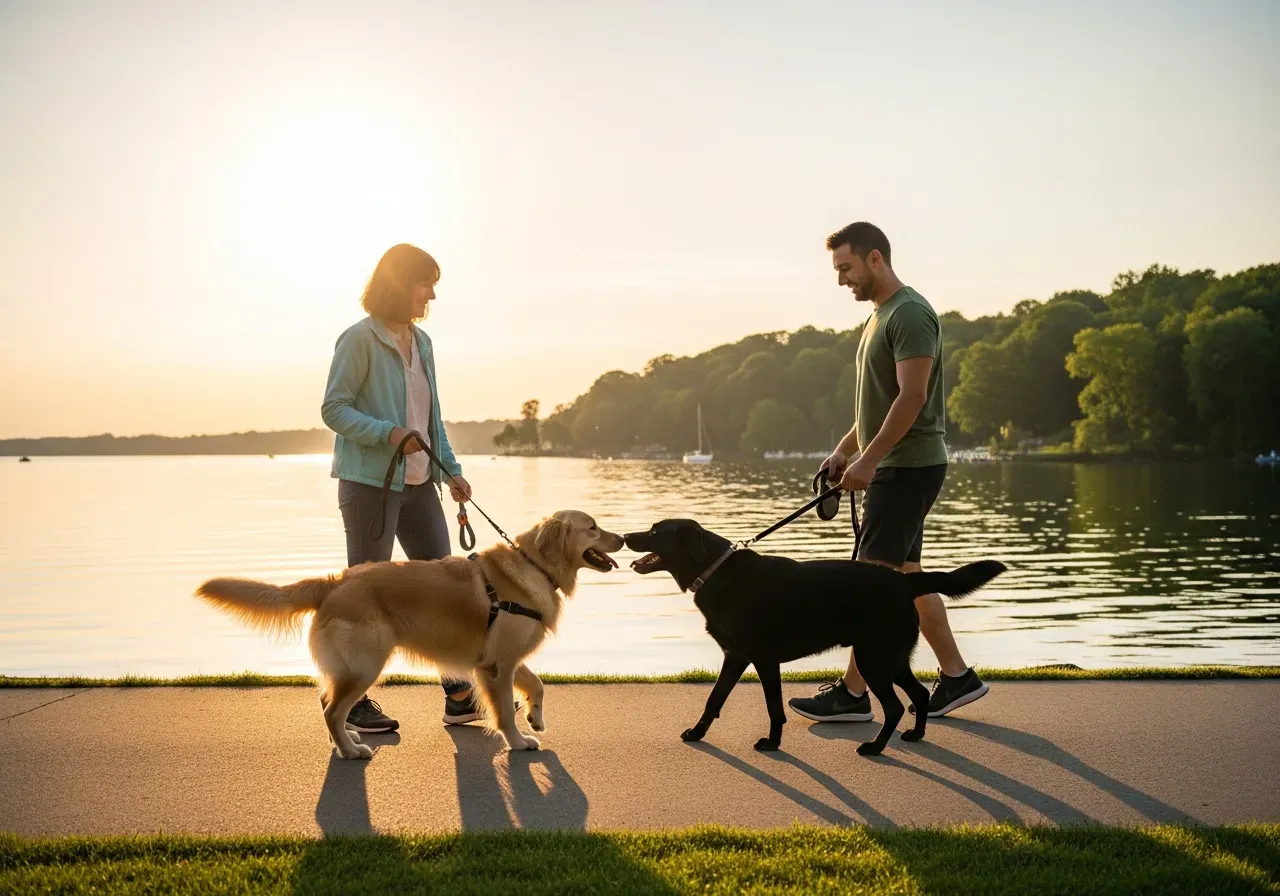
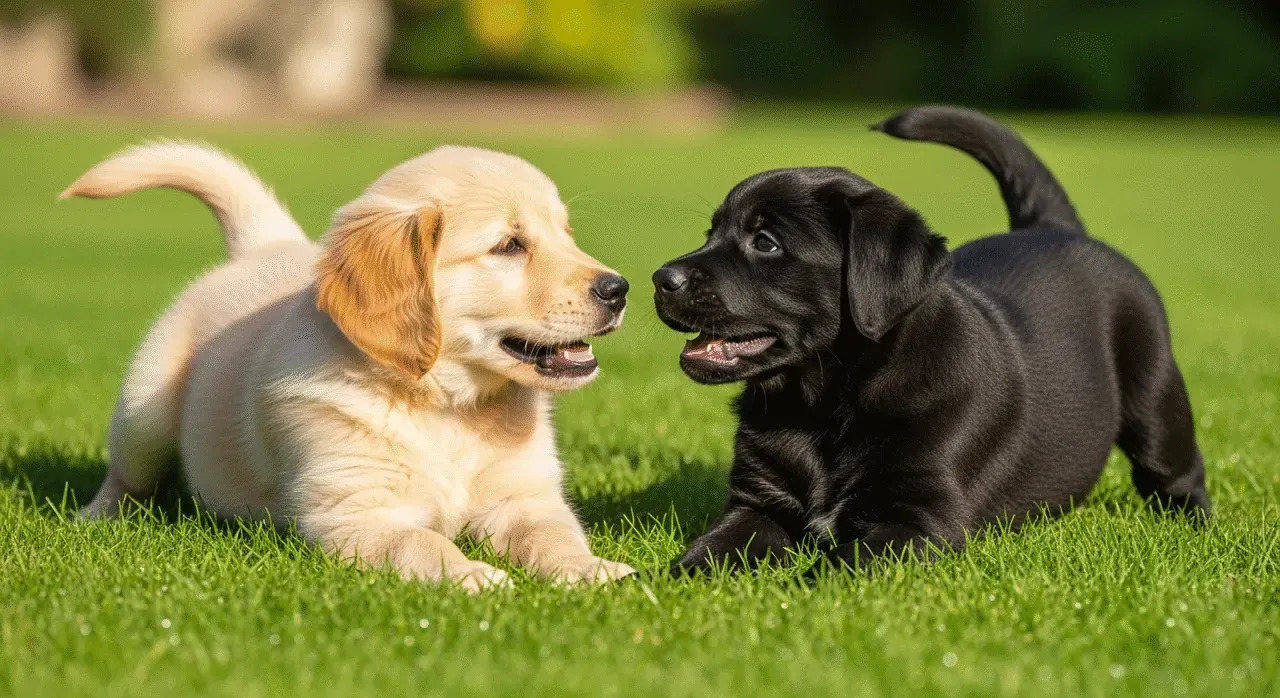
A single, well-matched playmate is often all your dog needs. Quality > quantity.
Use ruffruffletsplay.com to find a local pup pal with matching size, energy, and personality.
2. Small-Group Playdates
2–4 dogs, in a controlled environment. Much less overwhelming than an open park.
3. Private Rental Parks
Space for just you and your dog(s) — no strangers. Especially great for reactive, shy, or training dogs.
4. Structured Group Classes
Agility, nose work, obedience, or puppy socials — provide social time with structure, which many dogs prefer.
5. Walk Groups
Some dogs love parallel-walking with other dogs but hate face-to-face play. Try a group walk on a trail.
6. Solo Enrichment
If your dog truly prefers solo time:
- Long walks in new places
- Hiking trails
- Scent work / nose work
- Puzzle toys and enrichment feeders
- Training sessions
- Trick training
Not every dog needs other dogs. Some just need you.
7. Off-Peak Park Visits
If they might warm up to the park someday, try:
- Very quiet parks during very quiet hours
- Short visits (10 minutes max)
- Leaving before any stress shows
- Pair it with their favorite treats outside
Some dogs come around slowly. Others never will. Both are fine.
When to See a Professional
If your dog shows:
- Reactivity to other dogs (barking, lunging)
- Fear that's generalizing to walks or other public spaces
- Sudden change after a bad incident
- Signs of trauma
…a certified force-free trainer or behaviorist can help. Search dog trainers near me on ruffruffletsplay.com.
Your Dog's Social Life Is Still Valid
There's a quiet assumption that a "good" dog goes to the dog park. That's just not true.
- Some of the happiest, most well-adjusted dogs have 1 best friend and zero interest in crowds
- Some of the most anxious, reactive dogs were the ones forced into parks they weren't ready for
- Great socialization looks different for every dog
Honor who your dog actually is.
Redefine "Social" for Your Dog
Ask yourself:
- What does my dog enjoy?
- What lights them up?
- What tires them out in a good way?
- Who are they most comfortable with?
Build around that. Not around what parks other dogs love.
Find the social life your dog actually wants at ruffruffletsplay.com — matched playdates, private spaces, group walks, and more.
Find a Dog Park Near You Now
Discover dog parks and connect with other dog parents. Public park pages show only the current checked-in dog count per park—not people or owner identities; two dogs from one person count as two. Individual check-in details are shared only with accepted connections when the person opts in.