Is Your Dog Being Bullied at the Dog Park? 7 Signs to Watch For (and What to Do)

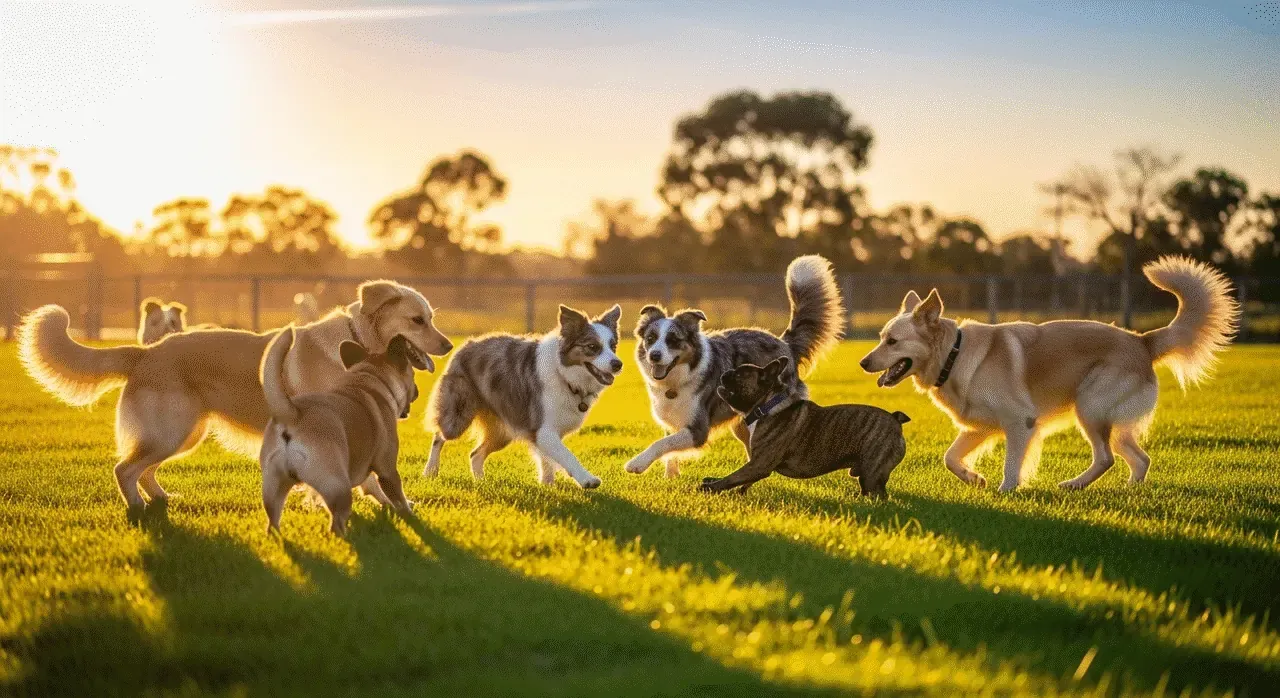
Dog play can get rowdy. That's part of the fun. But there's a real difference between healthy rough-and-tumble play and one dog consistently picking on another. And if your dog is the one getting picked on, the emotional damage can last years.
Dog park bullying is real — and the signs are subtle. Most pup parents miss them.
Here's how to tell if your dog is being bullied at the dog park, and what to do when it happens.
What Is Dog Park Bullying?
Dog bullying is a pattern (not a single incident) where one dog consistently:
- Pins, tackles, or body-slams another without giving breaks
- Chases a dog who's trying to get away
- Stands over or freezes above another dog
- Blocks a dog from moving
- Interrupts play or access to their owner
- Targets the same dog repeatedly
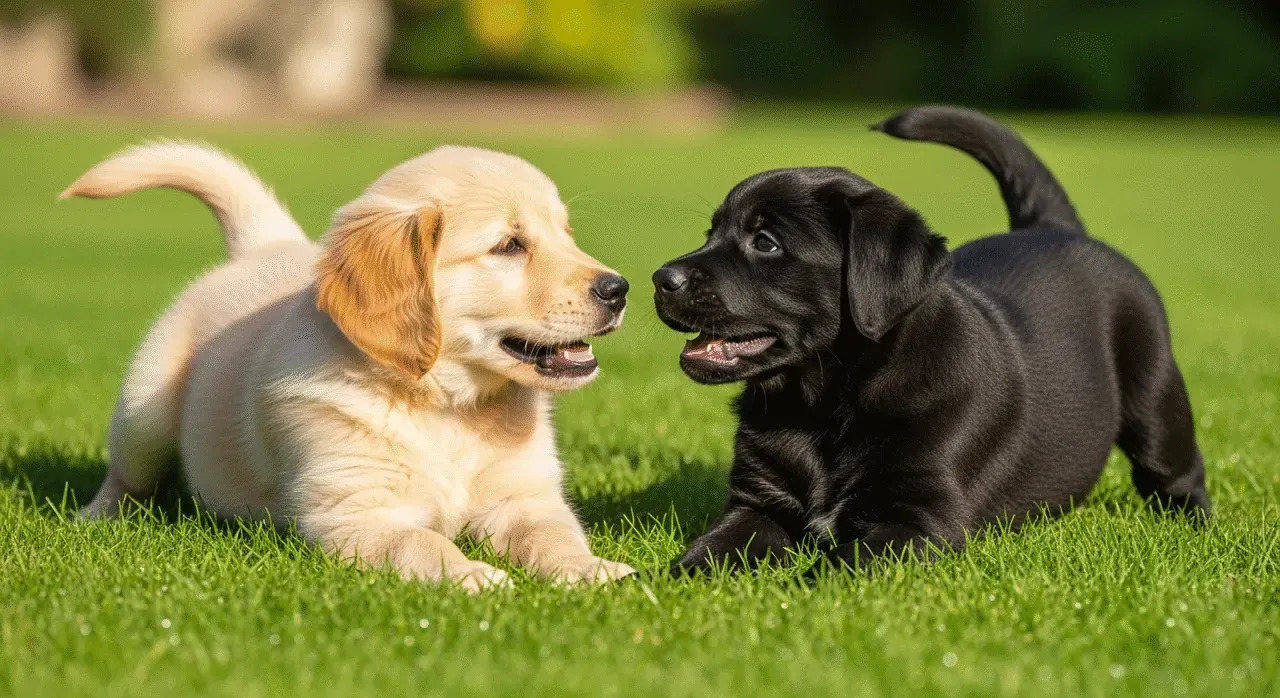
Unlike healthy play — which involves role reversal, breaks, and mutual buy-in — bullying is one-sided.
7 Signs Your Dog Is Being Bullied
1. They're Trying to Hide Behind You
Classic "I want out" signal. If your dog keeps running back to you and pressing against your legs, they're asking for help.
2. Tail Tucked, Ears Back, Body Low
Your dog's posture tells you everything. A tucked tail and pinned ears mean they feel threatened — not excited.
3. They're Yelping or Squealing Repeatedly
A single yelp during play is normal. Repeated yelps = the other dog is too rough.
4. They've Stopped Playing Entirely
Your dog is just standing, sitting, or wandering. They've "shut down" because the interaction isn't safe.
5. The Same Dog Keeps Coming Back to Them
Bullying is targeted. If one specific dog keeps seeking yours out — even when yours is trying to disengage — that's not play.
6. No Role Reversal
In healthy play, dogs take turns being "on top" and "on bottom." If one dog is always chasing and never chased — it's not play.
7. Your Gut Says Something's Off
This matters more than any of the above. Your gut picks up on patterns your eyes miss. If it feels wrong, it is.
The Subtle Stuff Most Owners Miss
- Dog park bullies often look "friendly" on the surface — tail wagging, happy face. But watch their body: stiff, still, fixated.
- "He just plays rough" is the most dangerous line in dog parks. Rough play with mutual buy-in is fine. Rough play when the other dog is clearly uncomfortable is bullying.
- Predatory behavior ≠ play. Chase, stalk, pounce on a fleeing dog = not play. Full stop.
- Certain breeds can look aggressive mid-play — but what matters is how the OTHER dog is responding.
What to Do Right Now
Step 1: Step In Physically
Walk between the dogs. Calmly but with purpose. Body-block if you have to.
Step 2: Separate Them
Grab your dog's collar gently. Move them away. Don't scold — just reset.
Step 3: Give Your Dog a Moment
Let them breathe. Don't re-enter play immediately.
Step 4: Assess
- Is the other dog backing off? Good.
- Is the other dog following, fixated? Bad.
- Is your dog shaking, panting, or trying to leave? Go home.
Step 5: Speak Up (Kindly)
"Hey, my dog's getting overwhelmed — could we give them some space?" Most owners will be reasonable. Some won't. Don't engage with the ones who aren't.
Step 6: Leave If Needed
If the bully's owner isn't stepping in, or if your dog is genuinely stressed — go. You owe nobody an explanation.
What If Your Dog Is the "Bully"?
Hard to hear, but important: if other pup parents are avoiding your dog, or their dogs are trying to escape yours — it's time to look honestly at your dog's play style.
What to do:
- Keep your dog on leash in a public park for a while
- Work with a trainer on impulse control and recall
- Practice "break it up and return to me" drills
- Avoid the dog park until the pattern changes
- Consider private parks or matched playdates (small groups with similar-energy dogs)
Most "bully" dogs aren't bad — they're under-socialized or over-aroused. With work, they can become great park citizens.
After a Bullying Incident
One bad incident can set dogs back for weeks — or create lasting reactivity. Here's how to recover:
- Give them a break — 1–2 weeks away from dog parks
- Build confidence elsewhere — solo walks, training, low-pressure socialization
- Rebuild gradually — start with known, trusted friends before returning to public parks
- Consider private alternatives — rentable parks, small playdates
- Work with a trainer if your dog is now showing fear or reactivity
Use ruffruffletsplay.com to find matched playdates, smaller parks, and certified pros who can help.
The Truth About "Most Dogs Are Fine"
Most dogs at most parks are fine. But your job isn't to protect "most dogs" — it's to protect your dog. Advocacy isn't overprotection.
If you ever wonder whether you should step in: the answer is yes.
Find safer, smaller, better-matched dog parks and playdates at ruffruffletsplay.com — because every dog deserves a space where they can actually have fun.
Find a Dog Park Near You Now
Discover dog parks and connect with other dog parents. Public park pages show only the current checked-in dog count per park—not people or owner identities; two dogs from one person count as two. Individual check-in details are shared only with accepted connections when the person opts in.